Description
STANDARDISED BOTANICAL EXTRACT
Rosa rugosa Flower — 10:1
Rose flower extract at 10:1 is a ratio product used in tea, beverage and cosmetic blends. Because there is no standard marker, the quotation has to state the flower grade and the extraction solvent before the ratio means anything.
COA-Backed Specification
| Identity | Rosa rugosa Thunb. |
|---|---|
| Plant part | Flower |
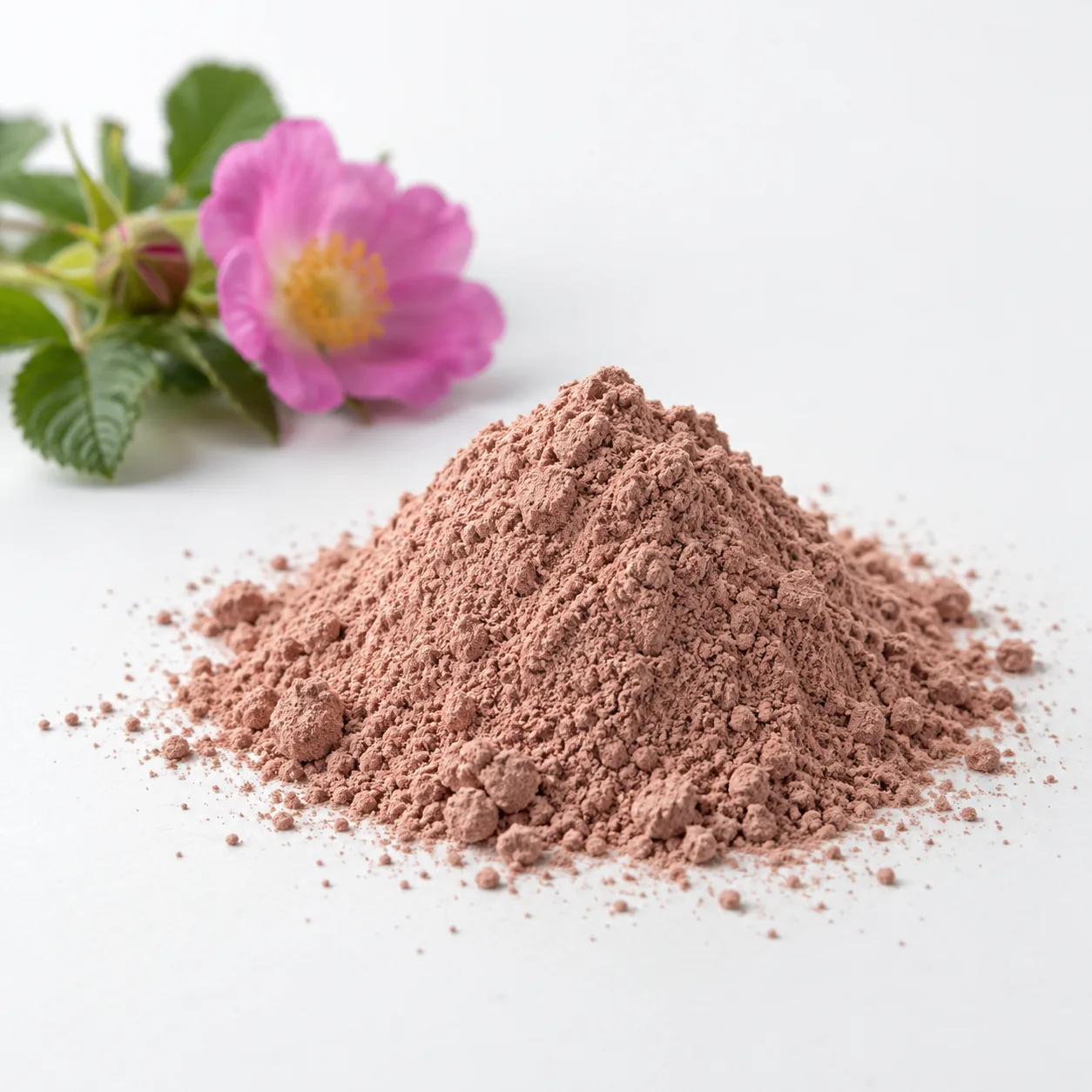
| Form and colour | Pink to light brown powder |
| Assay | 10:1 extract ratio |
| Method | TLC |
| Particle size | 98% through 80 mesh |
| Loss on drying | Within the limits of the approved specification |
| Ash | Within the limits of the approved specification |
| Heavy metals | Within the limits of the approved specification |
| Microbiological limits | Within the limits of the approved specification |
| Shelf life | Two years when stored properly |
Limits shown are the agreed specification. Result values are issued on the batch-specific certificate of analysis.
Buyer Decision Guide
The two things that decide quality here are the flower grade going in and whether the solvent was water or ethanol. Neither is visible in a 10:1 label.
- Ratio: 10 kg of dried flower yields 1 kg of extract; input grade stated on the quotation.
- Solvent: water. Confirm before ordering if your process needs an ethanol extract.
- Marker: none standardised. Identity confirmed by TLC against a retained reference.
- Colour: pink to light brown. Strong colour usually means a higher flower-to-carrier loading.
- Carrier: none added. Ask if you need a free-flowing grade for blending.
- Documentation: COA, specification sheet and SDS with each batch.
How This Grade Differs
The site lists a 4:1 rose flower extract and a 25% vitexin wild rose product. This page is the 10:1 grade, which sits between them in concentration and is quoted on ratio, not on a marker.
Quality and Documentation
Released on a batch certificate covering identity by TLC, ratio declaration, moisture, heavy metals and microbiology.
Frequently Asked Questions
Which marker is the percentage based on?
The declared figure is 10:1 extract ratio, measured by TLC; the marker basis is recorded on the batch certificate.
Which impurity limits are declared?
Moisture and ash are held within the approved specification limits, with heavy metals and microbiology tested on every lot.
Which test method should our QC lab expect to reproduce?
TLC, with the reference standard and calculation basis recorded on the batch certificate.
Which mesh size can you supply?
98% through 80 mesh as standard; other sizes are reviewed against your sieving or blending step.
How does the material behave in your process?
It is supplied as Pink to light brown powder at 98% through 80 mesh, so bulk density and flow are confirmed against your process before the first order.
Can I review the COA before I pay?
Yes. Request the current or representative COA and check identity, method, limits and results before approving the purchase order.
Can I get a sample before placing the order?
Yes. An evaluation sample is normally available before a formal order. Sample quantity, courier account and destination are confirmed at the time of request.
Are you a manufacturer or a trading company?
LongBio is Shaanxi Longsheng Biotechnology Co., Ltd., a direct manufacturer of botanical extracts and functional ingredients integrating R&D, production and export support. Factory review can be arranged by video or an on-site visit.
Request COA, Sample or Quotation
Send your target specification, application, order quantity, destination country and required test limits.
Get the current batch COA, a sample or a quotation