Tea & Beverage Extracts
Tea and beverage botanical extracts for supplement, food and beverage formulation projects. This category brings together tea powders, ratio extracts and named-marker grades. Start with the drink format you are developing, then compare the exact ingredient identity, physical form and specification. A tea powder, a 4:1 extract and a polyphenol-standardised extract are different purchasing choices even when the plant name is the same.
For a useful comparison, tell us whether the ingredient is intended for a beverage, capsule, tablet or another format. Include your target grade, preferred test method, expected order size, destination market and any requirements for taste, appearance or dispersibility. Those details help us identify what should be checked on the product specification and which current-batch documents may be available. They also prevent a ratio or headline percentage from being mistaken for a complete performance claim.
Explore specific grades:
Green Tea Extract Powder 20% Tea Polyphenols and Green Tea Leaf Extract Powder 50% Tea Polyphenols offer different named-marker targets.
Green Tea Leaf Extract Powder 4:1 and White Tea Leaf Extract Powder 10:1 are ratio-labelled alternatives to assess against your application.
Oolong Tea Powder and Pu-erh Tea Extract Powder demonstrate the difference between a powder and an extract.
Yerba Mate Leaf Extract Powder 10:1 and Green Rooibos Extract Powder 10:1 broaden the comparison beyond conventional tea grades.
Before approving a supplier, request the specification for the exact grade under review, check how its marker or ratio is defined, and ask which batch-specific documents can be provided. If you need a particular ingredient form or target assay, state it in your inquiry so we can check availability rather than assume one listed grade is equivalent to another. Send your target grade and application to discuss a specification, documents or a sample.
Showing all 15 results
-
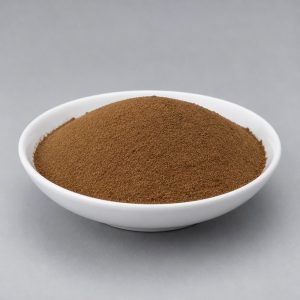
Dark Tea Powder
Read more -
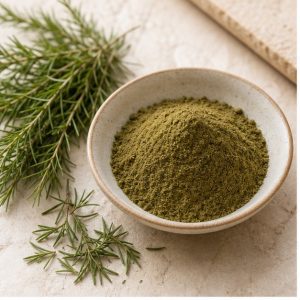
Green Rooibos Extract Powder 10:1
Read more -
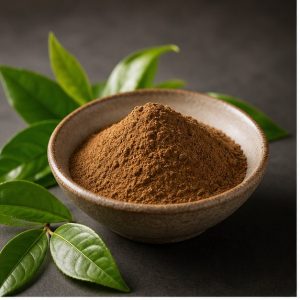
Green Tea Extract Powder 20% Tea Polyphenols
Read more -
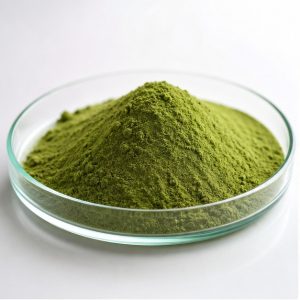
Green Tea Extract Powder 98% Tea Polyphenols
Read more -
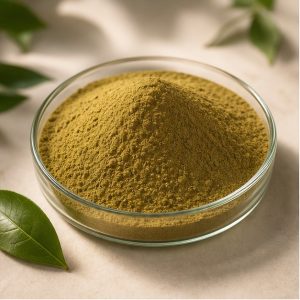
Green Tea Leaf Extract Powder 4:1
Read more -
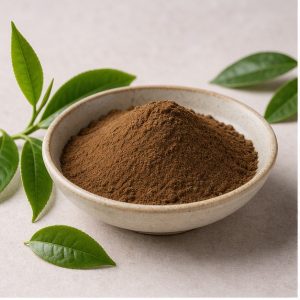
Green Tea Leaf Extract Powder 50% Tea Polyphenols
Read more -
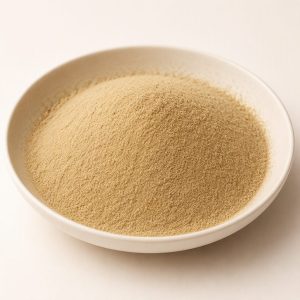
Instant Jasmine Tea Powder
Read more -
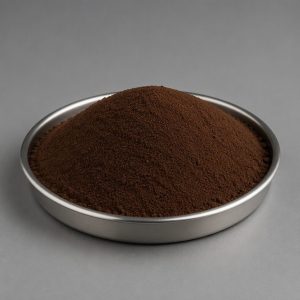
Instant Pu-erh Tea Powder
Read more -
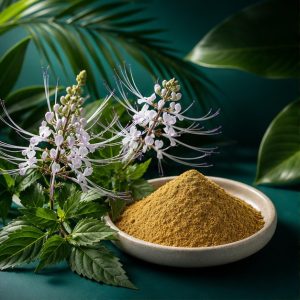
Java Tea Whole-Herb Extract Powder 10:1
Read more -
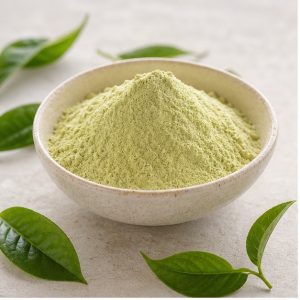
L-Theanine Green Tea Extract Powder 20%
Read more -
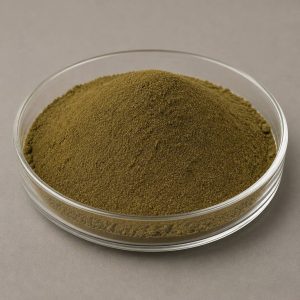
Oolong Tea Powder
Read more -
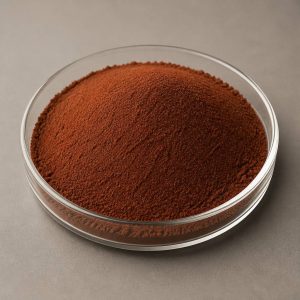
Pu-erh Tea Extract Powder
Read more -
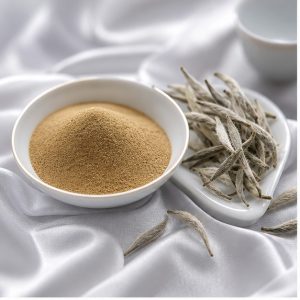
White Tea Leaf Extract Powder 10:1
Read more -
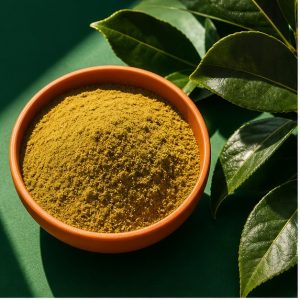
Yerba Mate Leaf Extract Powder 10:1
Read more -
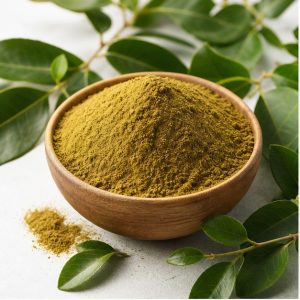
Yerba Mate Leaf Powder
Read more