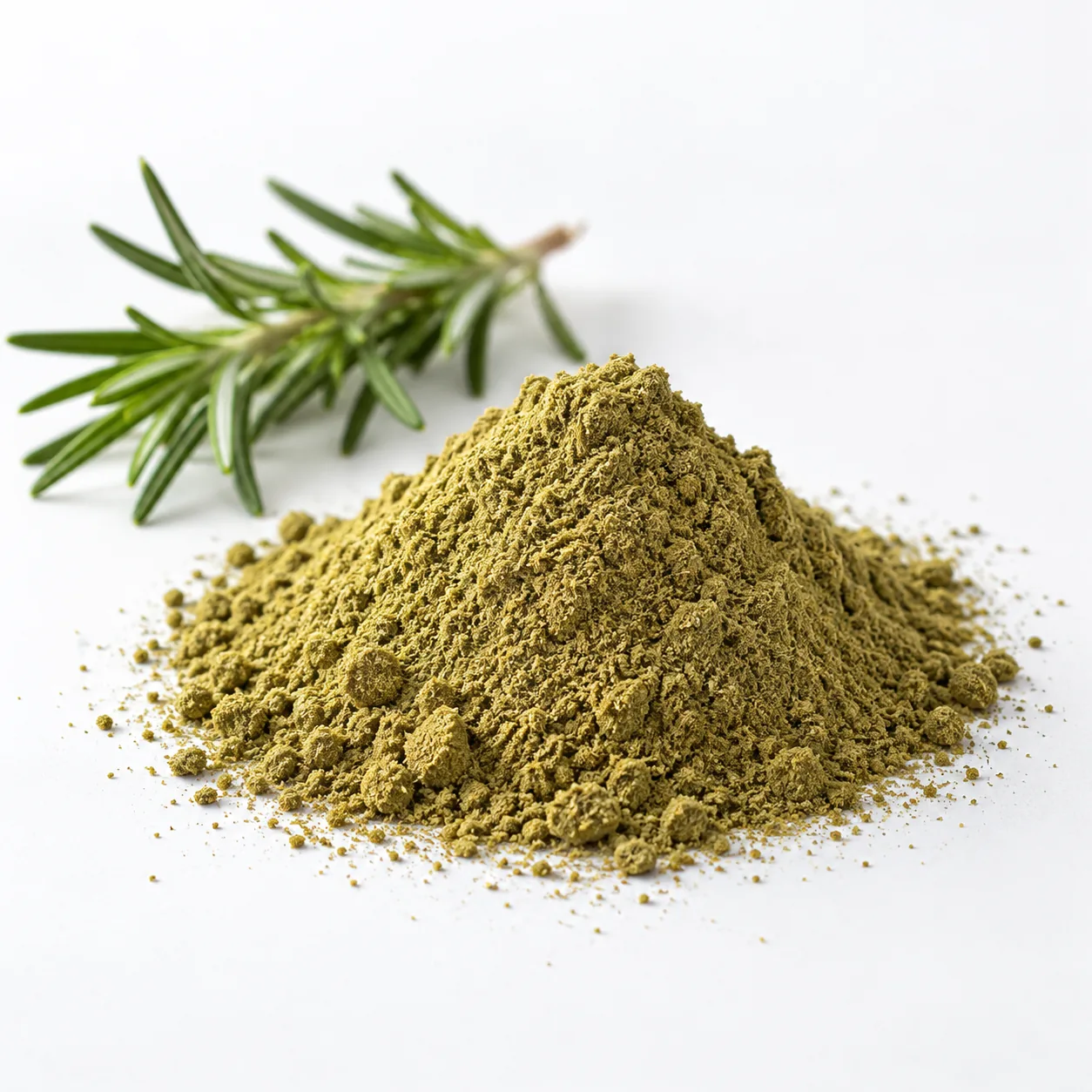
Description
STANDARDISED BOTANICAL EXTRACT
Rosmarinus officinalis Leaf — 10%-20% Rosmarinic Acid
Rosemary is bought for two different reasons and the grades are not interchangeable: rosmarinic acid grades for antioxidant and cosmetic work, and carnosic acid grades for oil protection. This page covers the rosmarinic acid range.
COA-Backed Specification
| Identity | Rosmarinus officinalis L. |
|---|---|
| Plant part | Leaf |
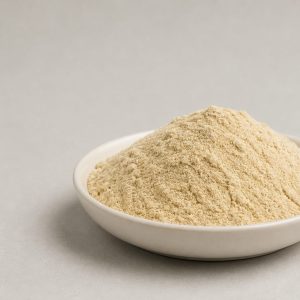
| Form and colour | Yellow-green to brownish powder |
| Assay | Rosmarinic acid 10%-20% (grade fixed per order) |
| Method | HPLC |
| Particle size | 98% through 80 mesh |
| Loss on drying | Within the limits of the approved specification |
| Ash | Within the limits of the approved specification |
| Heavy metals | Within the limits of the approved specification |
| Microbiological limits | Within the limits of the approved specification |
| Shelf life | Two years when stored properly |
Limits shown are the agreed specification. Result values are issued on the batch-specific certificate of analysis.
Buyer Decision Guide
Decide whether you need rosmarinic acid or carnosic acid before comparing offers. Suppliers quote both under the single name “rosemary extract”.
- Assay: rosmarinic acid 10%-20% by HPLC, grade fixed in the quotation.
- Marker choice: carnosic acid is a different marker and a different product; confirm which you need.
- Colour: yellow-green to brown. Chlorophyll carry-over is normal at the lower grades.
- Solubility: water-soluble at these grades, unlike carnosic acid grades.
- Heat sensitivity: rosmarinic acid degrades on prolonged heating; specify your process temperature.
- Documentation: COA, specification sheet and SDS with each batch.
How This Grade Differs
A 4:1 rosemary leaf extract is already listed. That is a ratio product; this page is the standardised rosmarinic acid range, quoted on marker content rather than on input-to-output ratio.
Quality and Documentation
Released on a batch certificate covering assay, marker identity, moisture, heavy metals and microbiology.
Frequently Asked Questions
Which impurity limits are declared?
Moisture and ash are held within the approved specification limits, with heavy metals and microbiology tested on every lot.
How is identity confirmed on the COA?
Identity is confirmed against Rosmarinus officinalis L., with the plant part recorded as Leaf.
What shelf life and storage conditions apply?
Two years when stored properly, kept sealed in a dry place away from light and heat.
How is lot traceability handled?
Each lot keeps batch records and a retained sample, and the certificate for the shipped lot carries the same batch reference used in the quotation.
Which marker is the percentage based on?
The declared figure is Rosmarinic acid 10%-20% (grade fixed per order), measured by HPLC; the marker basis is recorded on the batch certificate.
Can I review the COA before I pay?
Yes. Request the current or representative COA and check identity, method, limits and results before approving the purchase order.
Which documents come with the shipment?
Batch COA, specification sheet, agreed third-party testing where required, commercial invoice, packing list, certificate of origin and transport documents. The exact set is confirmed against the product and destination market.
Are you a manufacturer or a trading company?
LongBio is Shaanxi Longsheng Biotechnology Co., Ltd., a direct manufacturer of botanical extracts and functional ingredients integrating R&D, production and export support. Factory review can be arranged by video or an on-site visit.
Request COA, Sample or Quotation
Send your target specification, application, order quantity, destination country and required test limits.
Get the current batch COA, a sample or a quotation