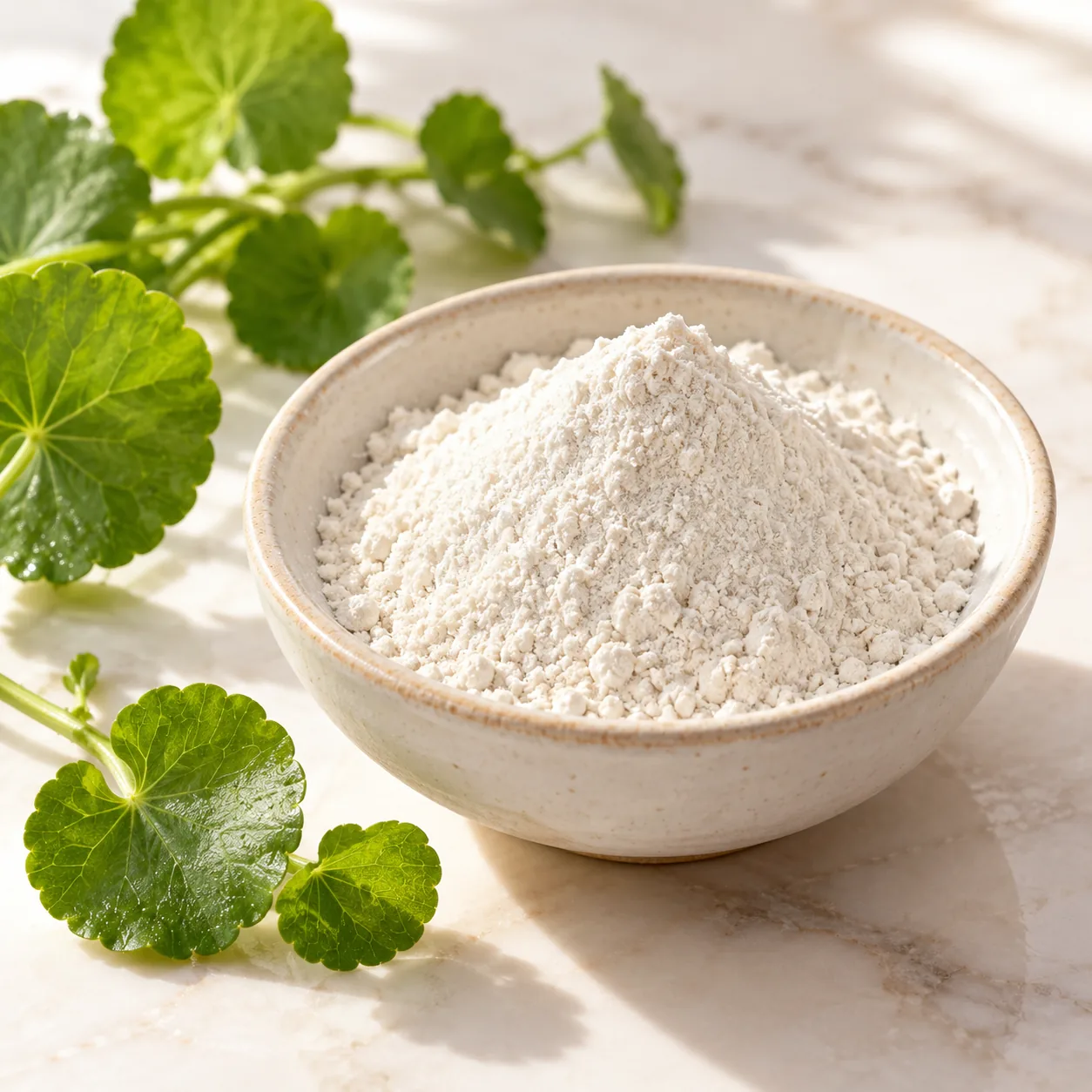
Description
CENTELLA SINGLE ENTITY
Asiatic Acid Powder 90%
Asiatic acid is one of the triterpenoid aglycones of Centella asiatica. It is supplied as a purified single entity at 90% content, as distinct from a Centella extract standardised on total asiaticosides.
COA-Backed Specification
| Identity | Asiatic acid |
|---|---|
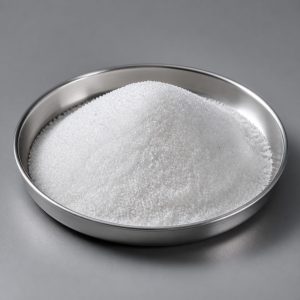
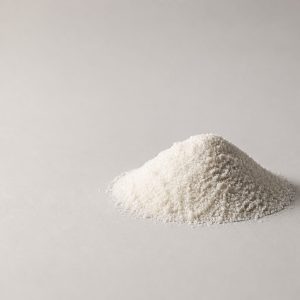
| Form and colour | White to off-white powder |
| Content | 90% |
| Method | As stated on the batch certificate of analysis |
| Botanical source | Centella asiatica |
| Packaging | 1 kg / 5 kg / 25 kg, inner liner and outer fibre drum |
| Shelf life | As stated on the batch certificate of analysis |
The figures above are the offered specification. Batch results, residual solvents and microbiological limits are reported on the current lot’s certificate of analysis.
Buyer Decision Guide
The first decision is aglycone versus glycoside. Centella is sold both as total asiaticosides, which are glycosides, and as the free aglycones including asiatic acid. They are separate specifications with separate behaviour in formulation, so the brief has to name the one it needs.
The second decision is the ratio of the four triterpenes. A Centella extract carries madecassoside, asiaticoside, madecassic acid and asiatic acid together; a 90% asiatic acid grade deliberately isolates one. If your claim refers to the whole complex, a single entity will not support it.
The third decision is solvent residue. Purifying a single triterpene from a herb involves solvent steps, so residual solvent data belongs next to the assay on the batch sheet.
Application Areas
- Centella-based cosmetic formulations
- Wound-care and skin research
- Supplement formulations
- Reference material for analytical work
Packaging and Delivery
Standard export packing is 1 kg, 5 kg or 25 kg in an inner liner with an outer fibre drum. Smaller evaluation packing is available.
Frequently Asked Questions
Is this the same as a Centella asiatica extract?
No. This is a purified single triterpene at 90%. A Centella extract is standardised on total asiaticosides and contains the whole triterpene complex.
What is the difference between asiatic acid and asiaticoside?
Asiatic acid is the free aglycone; asiaticoside is its glycoside. Both are specified separately in the market and they are not interchangeable in a formulation.
What content is supplied?
The offered grade is 90% asiatic acid, confirmed on the batch-specific certificate of analysis with the analytical method.
Are residual solvents reported?
Yes. Purification involves solvent steps, so residual solvent data is part of the batch documentation and can be requested with the quotation.
What is the minimum order quantity?
The regular MOQ is typically 1 kg, with a small evaluation sample available before a formal order subject to stock.
Request COA, Sample or Quotation
Send your target specification, application, order quantity, destination country and required test limits.
Get the current batch COA, a sample or a quotation