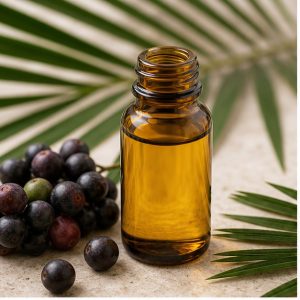
Description
COA-BACKED BOTANICAL INGREDIENT
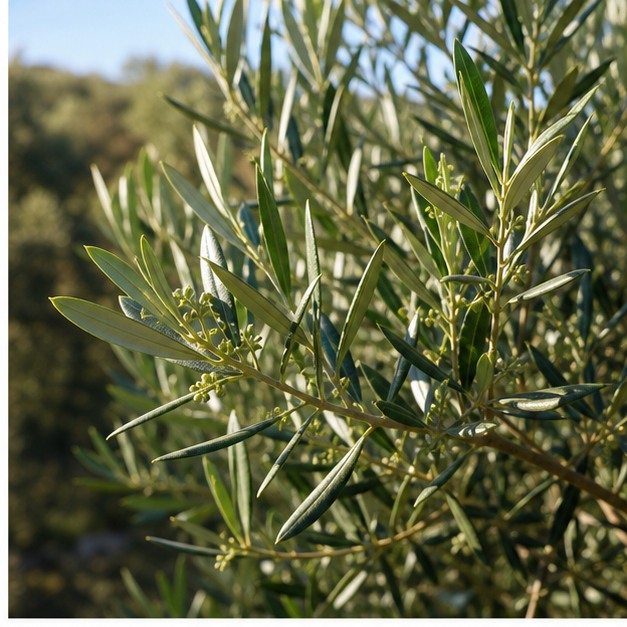
Canarium album Raeusch. Leaf Extract
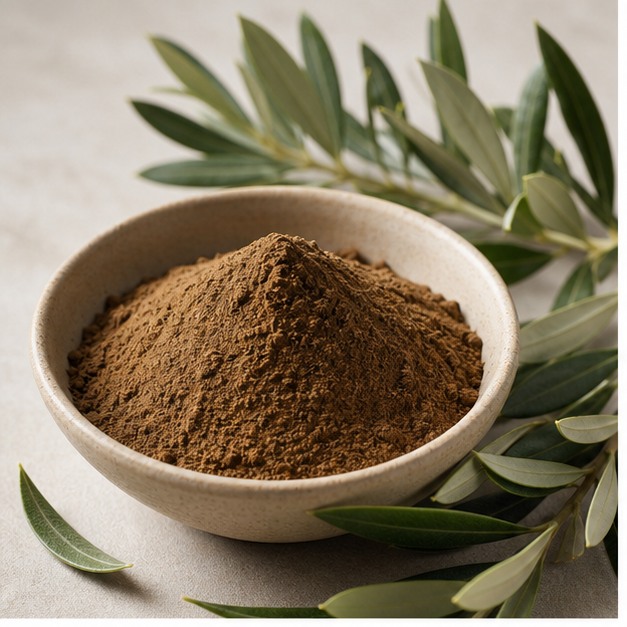
Olive Leaf Extract Powder 20% is presented for B2B ingredient qualification using representative batch evidence and batch-specific analytical language.
COA-Backed Specification
| Botanical identity | Canarium album Raeusch. |
|---|---|
| Plant part | Leaf |
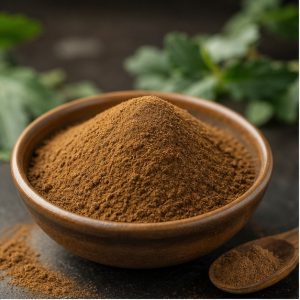
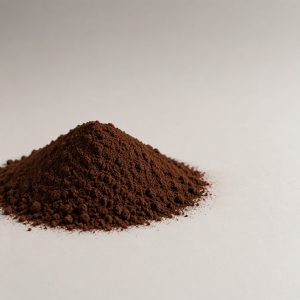
| Form and colour | Brown powder |
| Assay | Assay 20% by HPLC; complies |
| Particle size | 98% through 80 mesh |
| Loss on drying | <=5.0%; result 4.86% |
| Ash | <=5.0%; result 4.35% |
| Representative batch | MAY 171115 |
| Manufacture date | 15 May 2017 |
| Shelf life | Two years when stored properly |
Representative values do not replace the current shipment COA.
Buyer Decision Guide
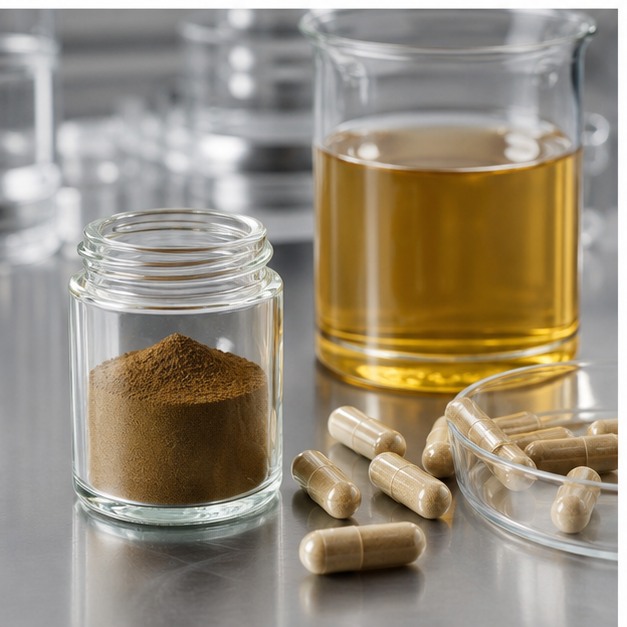
Compare this standardised grade by Assay 20% by HPLC; complies, the stated method and the offered-lot result; raw material and ratio extracts are different purchasing specifications.
- Evaluation sample typically 10-20 g
- Regular MOQ typically 1 kg
- Typical lead time 7-15 working days
How This Grade Differs
Olive Leaf Extract Powder 20% is qualified using botanical identity: Canarium album Raeusch.; plant part: Leaf; offered grade: Assay 20% by HPLC; complies. Its purchasing definition is anchored to Assay 20% by HPLC; complies; alternatives must be compared on marker target and analytical basis.
When an alternative to Olive Leaf Extract Powder 20% is required, compare it against this page’s identity, grade and batch-document requirements.
Browse ingredients related to Olive Leaf Extract Powder 20%
For a Olive Leaf Extract Powder 20% substitution review, match botanical identity, plant part, grade-defining assay or ratio, analytical basis, physical form and offered-lot documentation.
Quality and Documentation
Representative batch MAY 171115 supports the specification table above. Current lot evidence and buyer-defined verification govern acceptance of the commercial shipment.
Olive Leaf Extract Powder 20% Qualification Snapshot
This snapshot is taken from the specification evidence displayed on this page. Confirm that the quotation, specification and current offered-batch COA describe the same grade before approval.
| Botanical identity | Canarium album Raeusch. |
|---|---|
| Plant part | Leaf |
| Assay | Assay 20% by HPLC; complies |
| Particle size | 98% through 80 mesh |
| Loss on drying | <=5.0%; result 4.86% |
Three Checks Before Ordering
- Match botanical identity and plant part.
- Match assay target, unit and analytical method.
- Review the current batch data and destination-market documents.
Continue with Standardized Botanical Extracts, the COA review checklist, or the specification comparison guide.
Frequently Asked Questions
What specification defines Olive Leaf Extract Powder 20%?
For Olive Leaf Extract Powder 20%: Assay 20% by HPLC; complies.
How is the source material identified?
For Olive Leaf Extract Powder 20%: Qualification starts with Canarium album Raeusch., Leaf. The product name alone is not sufficient when species, plant part or grade differs.
How does batch evidence support qualification?
For Olive Leaf Extract Powder 20%: The page cites representative batch MAY 171115. The sample, quotation and shipment COA should be traceable to the grade actually offered.
Is a shipment-specific COA available for qualification?
For Olive Leaf Extract Powder 20%: Yes. The commercial review should use the COA for the lot being offered, together with the matching quotation and specification.
What quality fields belong in the approval review?
For Olive Leaf Extract Powder 20%: Review identity and Assay 20% by HPLC; complies together with the listed physical tests and applicable contaminant and microbiological limits.
How are MOQ and production timing confirmed?
For Olive Leaf Extract Powder 20%: Commercial timing is finalised after quantity, packaging, document set and any additional testing have been agreed.
What must be updated when a parameter changes?
For Olive Leaf Extract Powder 20%: Application-specific requests require technical review. Approved changes should be documented rather than treated as an informal substitution.