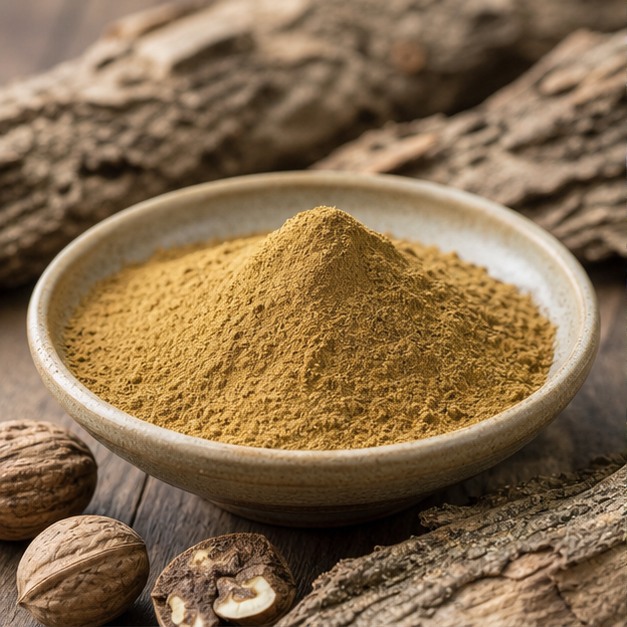
Description
COA-BACKED BOTANICAL INGREDIENT
Juglans cinerea L. Bark Extract
Butternut Bark Extract Powder 4:1 is presented for B2B ingredient qualification using representative batch evidence and batch-specific analytical language.
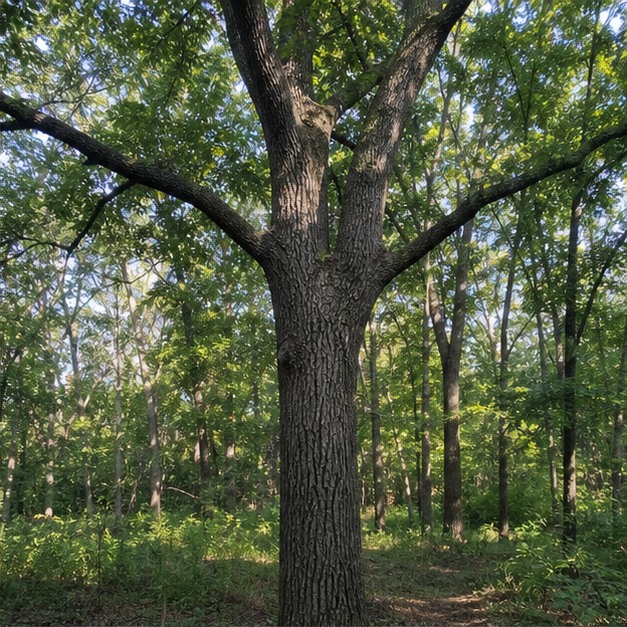
COA-Backed Specification
| Botanical identity | Juglans cinerea L. |
|---|---|
| Plant part | Bark |
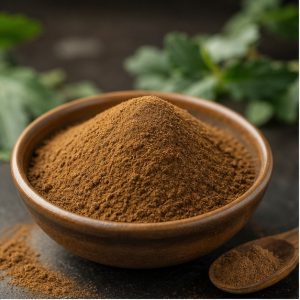
| Form and colour | Fine yellow-brown powder |
| Assay | Extract ratio 4:1; result complies |
| Particle size | 98% through 80 mesh |
| Loss on drying | <=5.0%; result 4.51% |
| Ash | <=5.0%; result 3.41% |
| Representative batch | LXCX170105 |
| Manufacture date | 5 January 2017 |
| Shelf life | Two years when stored properly |
Representative values do not replace the current shipment COA.
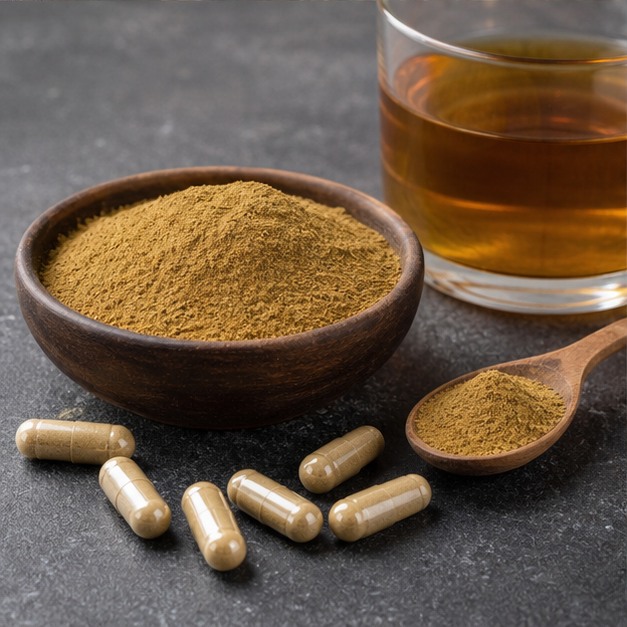
Buyer Decision Guide
Compare this Extract ratio 4:1; result complies ratio grade by botanical identity, plant part and physical specification; the ratio is not an active-marker percentage.
- Evaluation sample typically 10-20 g
- Regular MOQ typically 1 kg
- Typical lead time 7-15 working days
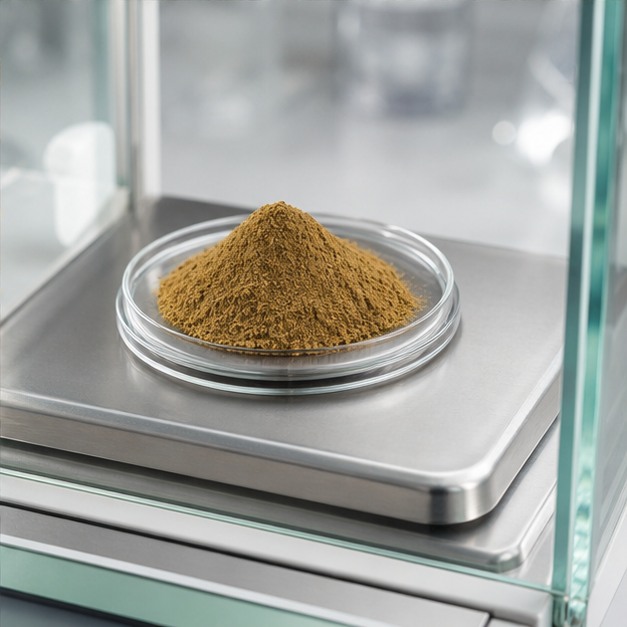
How This Grade Differs
Butternut Bark Extract Powder 4:1 is qualified using botanical identity: Juglans cinerea L.; plant part: Bark; offered grade: Extract ratio 4:1; result complies. Its purchasing definition is the stated ratio grade (Extract ratio 4:1; result complies), not a guaranteed active-compound concentration.
Compare these related grades before approval:
For a substitution review, compare botanical identity, plant part, assay target, analytical method, physical form and the current offered-batch COA.
Quality and Documentation
Representative batch LXCX170105 supports the specification table above. Use the cited record for preliminary comparison and request the offered-lot COA for final technical approval.
BUYER QUALIFICATION SNAPSHOT
Butternut Bark Extract Powder 4:1: What to Match Before Ordering
This page describes a defined ingredient grade. Use the fields below to prevent substitution between raw powder, ratio extract and standardised grades. The quotation, approved specification and current shipment COA should identify the same material.
| Botanical identity | Juglans cinerea L. |
|---|---|
| Plant part | Bark |
| Assay | Extract ratio 4:1; result complies |
| Particle size | 98% through 80 mesh |
| Loss on drying | <=5.0%; result 4.51% |
| Representative batch | LXCX170105 |
Confirm botanical source and plant part.
Match ratio or assay and its test method.
Review the current offered-batch COA.
Continue with Standardized Botanical Extracts, the grade comparison guide, or the COA review checklist.
Frequently Asked Questions
What specification defines Butternut Bark Extract Powder 4:1?
For Butternut Bark Extract Powder 4:1: Extract ratio 4:1; result complies.
Which source and plant-part details matter?
For Butternut Bark Extract Powder 4:1: Match Juglans cinerea L., Bark across the quotation, specification and offered-batch COA. The offered grade is Extract ratio 4:1; result complies; treat the ratio as a process-grade definition rather than a marker percentage.
What is the role of the representative COA?
For Butternut Bark Extract Powder 4:1: The page cites representative batch LXCX170105. Final approval requires the current lot's identity, specification results and relevant dates.
What COA should accompany commercial approval?
For Butternut Bark Extract Powder 4:1: Current batch documentation should be reviewed before purchase; a representative document is useful for screening but does not release a shipment.
How should analytical and physical limits be assessed?
For Butternut Bark Extract Powder 4:1: Do not assess Extract ratio 4:1; result complies in isolation; particle size, moisture or drying data and market-relevant safety limits can also affect acceptance.
What determines MOQ and lead time for this grade?
For Butternut Bark Extract Powder 4:1: Confirm MOQ and timing on the live quotation because stock position, testing, packing and destination requirements can change both.
Can packing or physical parameters be reviewed?
For Butternut Bark Extract Powder 4:1: Alternative packing or selected parameters may be considered case by case, subject to production feasibility and a revised written specification.