
DIRECT ANSWER
Which botanical ingredients are commonly evaluated for weight-management products?
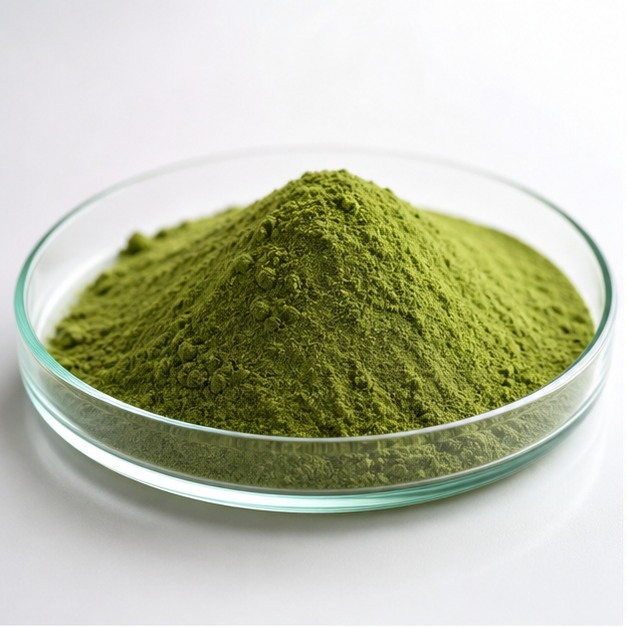
Green tea and green coffee bean extracts are common B2B candidates. Buyers should compare named marker targets, caffeine level, analytical method, carrier system, taste, colour and compatibility with the final dosage form.
SPECIFICATION COMPARISON
Compare representative formulation routes.
| Ingredient | Marker route | Confirm | Format note |
|---|---|---|---|
| Green tea extract | Tea polyphenol-oriented grade | Polyphenols, catechins and caffeine status | Review bitterness, colour and solubility |
| Green coffee bean | Chlorogenic-acid grade | Assay basis, caffeine and current COA | Evaluate taste and beverage compatibility |
Ingredient specifications do not establish finished-product efficacy or claims.
PRIORITY PRODUCTS
Review representative weight-management ingredients.
BUYER CHECKLIST
What should buyers confirm before sampling?
Identity
Botanical source and plant part.
Botanical source and plant part.
Marker basis
Named compounds and test method.
Named compounds and test method.
Caffeine
Natural level or project-specific limit.
Natural level or project-specific limit.
Finished format
Taste, colour, solubility and stability.
Taste, colour, solubility and stability.
FREQUENTLY ASKED QUESTIONS
Weight-management ingredient sourcing FAQ.
Are all green tea percentages directly comparable?
No. Compare the named marker, analytical method and reporting basis.
Should buyers confirm caffeine content?
Yes. Confirm the stated caffeine status and the current-lot documentation.
Which ingredient is suitable for beverages?
Suitability depends on taste, colour, solubility and stability in the final formula.
Can raw ingredients support finished-product claims?
Claims and dosage require assessment for the final product and destination market.
Request a weight-management ingredient recommendation.
Continue buyer research