Description
STRAIN-IDENTIFIED CULTURE
Lactobacillus delbrueckii subsp. bulgaricus HC1983
Lactobacillus delbrueckii subsp. bulgaricus HC1983 is supplied as a strain-identified freeze-dried culture for B2B probiotic blends. The purchasing definition is the strain designation and the delivered potency rather than the species name alone.
COA-Backed Specification
| Identity | Lactobacillus delbrueckii subsp. bulgaricus |
|---|---|
| Strain designation | HC1983 |
| Plant part | Freeze-dried culture, strain-identified |
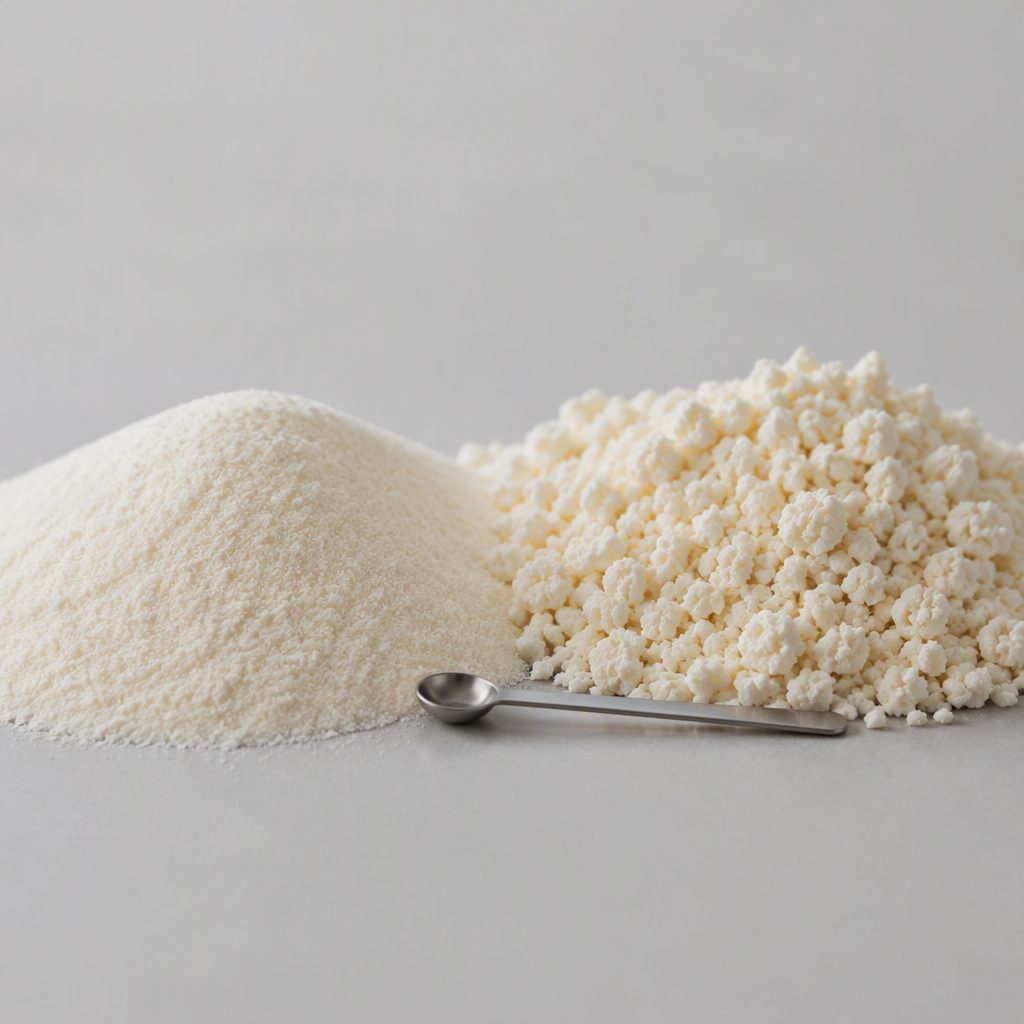
| Form and colour | Fine off-white to cream powder |
| Assay | Not less than 1.0 x 10^11 CFU/g |
| Method | HPLC |
| Particle size | 98% through 80 mesh |
| Loss on drying | <=5.0% |
| Ash | <=5.0% |
| Heavy metals | Within the limits of the approved specification |
| Microbiological limits | Within the limits of the approved specification |
| Representative batch | LXXJ260124 |
| Manufacture date | 24 Jan 2026 |
| Shelf life | Two years when stored properly |
Representative values do not replace the current shipment COA.
Buyer Decision Guide
Probiotics are specified by strain, potency at delivery and enumeration method. Confirm the strain designation, the CFU basis (per gram or per dose) and the overage required to hold potency through your shelf life and packing format.
- Confirm the strain designation, not only the species
- Check the CFU basis and enumeration method
- Review water activity and viability data
- Confirm cold-chain and packing requirements
How This Grade Differs
HC1983 is a specific strain and is not interchangeable with other strains of the same species. Potency, water activity and enumeration results differ by strain and by production lot, so qualification must be strain-based.
Compare these related grades before approval:
- Streptococcus salivarius subsp. thermophilus FP13-03 Freeze-Dried Powder
- Lactococcus lactis HC3519 Freeze-Dried Powder
For a substitution review, compare botanical identity, plant part, assay target, analytical method, physical form and the current offered-batch COA.
Application Areas
- Probiotic capsules and stick packs
- Powdered functional beverages
- Fermented and cultured food projects
- Private-label microbiome products
Packaging and Delivery
- Evaluation sample typically 10-20 g, subject to stock
- Regular MOQ typically 1 kg
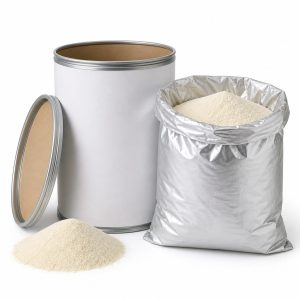
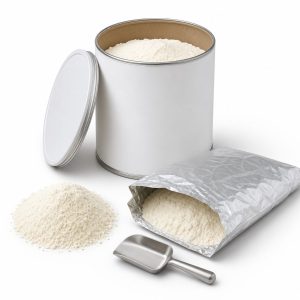
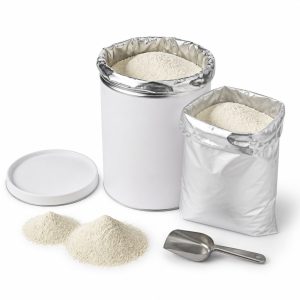
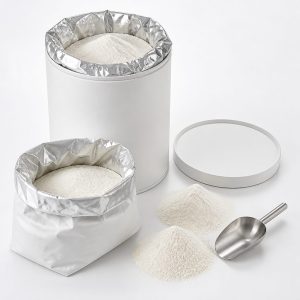
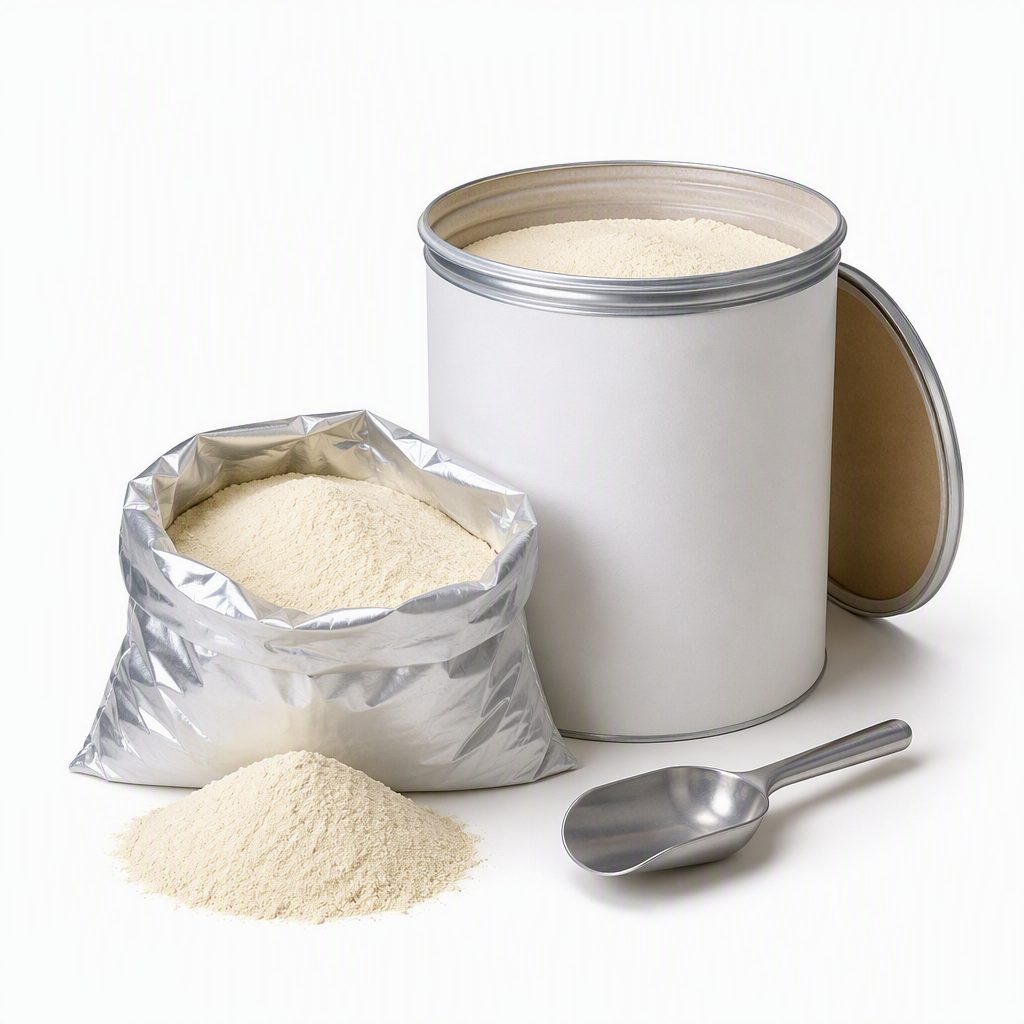
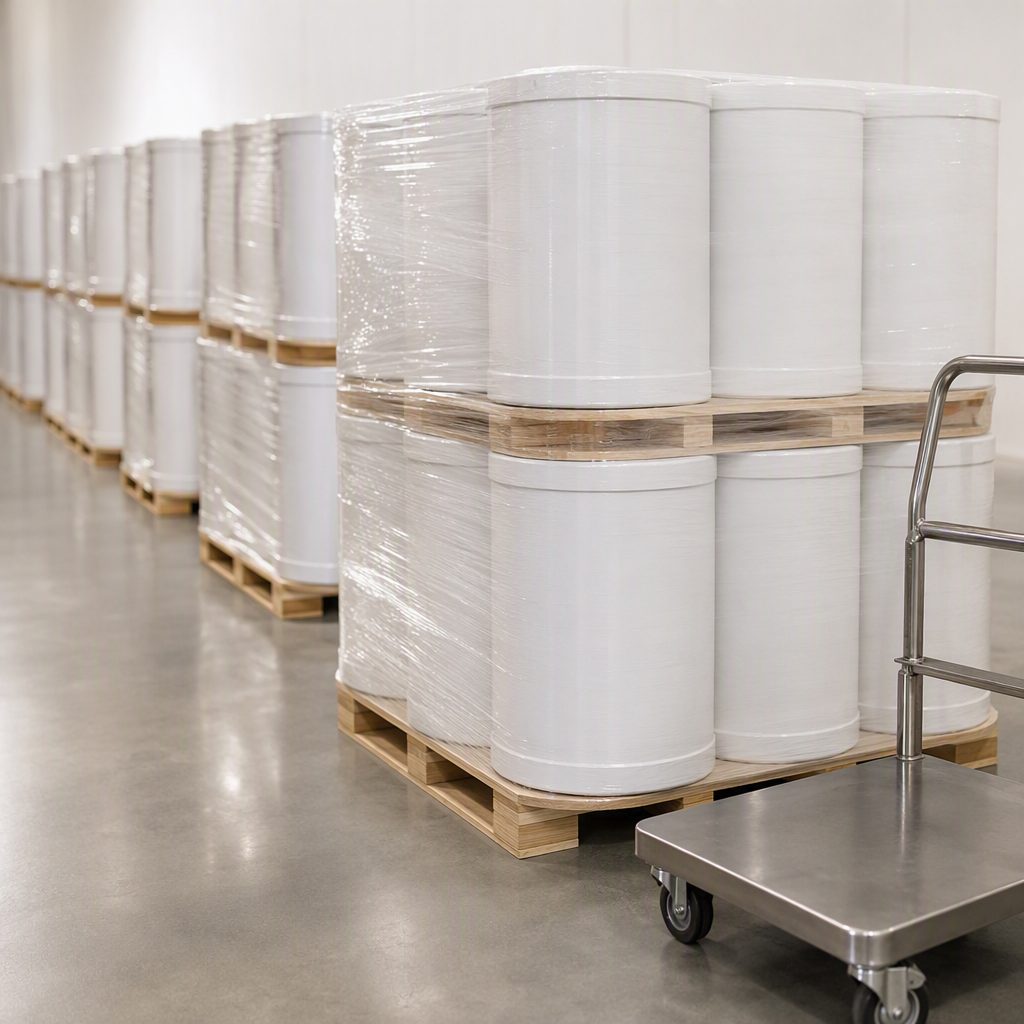
- 1 kg foil bag or 25 kg fibre drum with inner food-grade liner
- Custom packing and private-label options subject to confirmation
- Typical lead time 7-15 working days after deposit
Quality and Documentation
Representative batch LXXJ260124 supports the specification table above. Use the cited record for preliminary comparison and request the offered-lot COA for final technical approval. Batch COA, specification sheet, agreed third-party testing and export documents are available for buyer verification.
Frequently Asked Questions
What happens to viability during transport?
The declared count is Not less than 1.0 x 10^11 CFU/g; shipping conditions and the receiving test are agreed so the count is verified on arrival.
Which test method should our QC lab expect to reproduce?
HPLC, with the reference standard and calculation basis recorded on the batch certificate.
Which impurity limits are declared?
Moisture and ash are held within the approved specification limits, with heavy metals and microbiology tested on every lot.
How is appearance checked?
Fine off-white to cream powder, compared against a retained sample from the approved batch.
Can the COA be matched to the lot you ship?
Yes. The certificate is issued for the shipped lot, which is the batch LXXJ260124 referenced on the specification.
Which documents come with the shipment?
Batch COA, specification sheet, agreed third-party testing where required, commercial invoice, packing list, certificate of origin and transport documents. The exact set is confirmed against the product and destination market.
Can you produce to our own specification or packing?
Alternative assay targets, particle size, packing and private-label requirements are reviewed case by case, subject to production feasibility and a revised written specification.
What is the minimum order quantity?
The regular MOQ is typically 1 kg. An evaluation sample of 10-20 g can usually be arranged before a formal order, subject to stock.
Request COA, Sample or Quotation
Send your target specification, application, order quantity, destination country and required test limits.
Get the current batch COA, a sample or a quotation