Description
PEPTIDE INGREDIENT
Fresh Bovine Hide — Hydrolysed Collagen Peptide
Bovine hide collagen peptide is made from fresh hide rather than from bone. The two carry a different collagen type mix, and buyers who specify hide are usually after the Type I fraction that dominates dermal tissue, not the Type II associated with cartilage.
COA-Backed Specification
| Identity | Bos taurus (fresh hide) |
|---|---|
| Plant part | Hide (dermal collagen, enzymatic hydrolysate) |
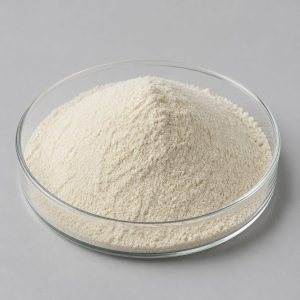
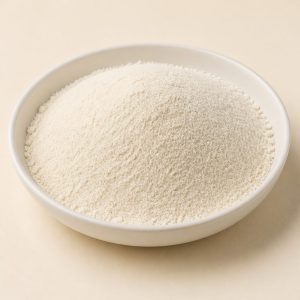
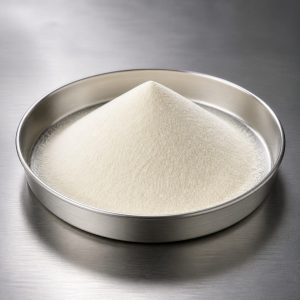
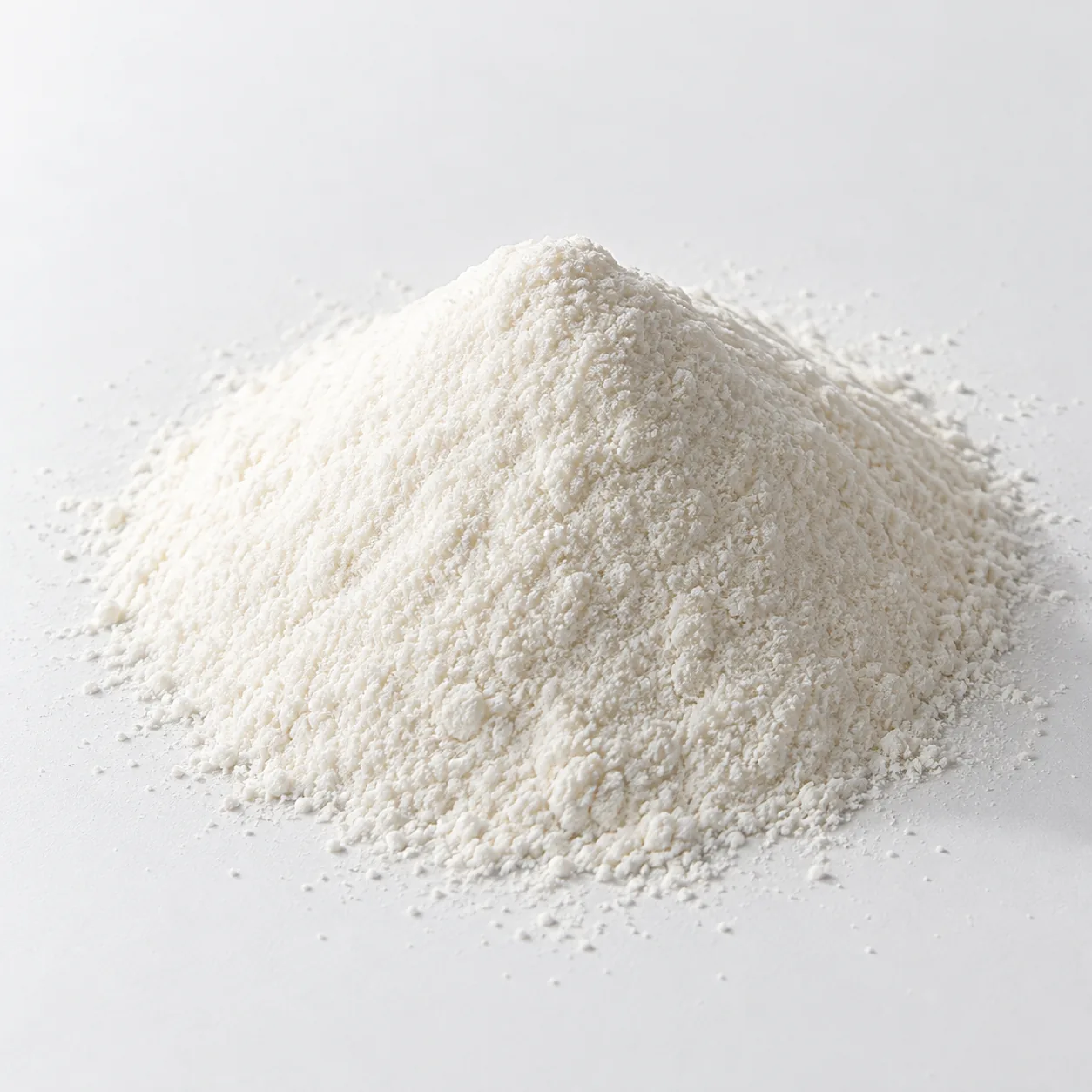
| Form and colour | Fine white to off-white powder |
| Assay | Protein >=90.0% on dried basis; molecular weight distribution declared per lot |
| Method | HPLC |
| Particle size | 98% through 80 mesh |
| Loss on drying | Within the limits of the approved specification |
| Ash | Within the limits of the approved specification |
| Heavy metals | Within the limits of the approved specification |
| Microbiological limits | Within the limits of the approved specification |
| Shelf life | Two years when stored properly |
Limits shown are the agreed specification. Result values are issued on the batch-specific certificate of analysis.
Buyer Decision Guide
State whether your specification is hide-based or bone-based. Both are sold as “bovine collagen peptide” and they are not interchangeable for a Type I claim.
- Source: fresh bovine hide, declared on the COA. Bone-derived material is a separate product.
- Collagen type: predominantly Type I, consistent with dermal tissue.
- Assay: protein on dried basis, with the molecular weight distribution reported per lot.
- Appearance: fine white to off-white powder. Yellow lots indicate incomplete decolourisation.
- Solubility: freely water-soluble with a neutral taste at the usual peptide grades.
- Documentation: COA, specification sheet and SDS with each batch.
How This Grade Differs
The site already lists a bovine bone collagen peptide. This page is the hide-derived product: same species, different tissue, different collagen type mix.
Quality and Documentation
Released on a batch certificate covering protein, molecular weight distribution, ash, moisture, heavy metals and microbiology.
Frequently Asked Questions
Which particle size or presentation applies?
98% through 80 mesh
How is protein content expressed?
Protein >=90.0% on dried basis; molecular weight distribution declared per lot, on the basis stated on the certificate.
How long can we hold stock before use?
Two years from the manufacture date when the pack stays sealed and dry.
Which safety parameters are tested every lot?
Moisture per specification, ash per specification, heavy metals and microbiology against the approved specification.
Which test method should our QC lab expect to reproduce?
HPLC, with the reference standard and calculation basis recorded on the batch certificate.
What packing options are available?
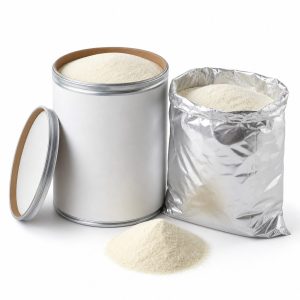
Standard packing is a sealed food-grade inner liner inside an export carton or fibre drum. Pack size, labelling and private-label artwork are agreed in the written specification.
How is the material shipped?
Air and sea freight are both arranged, with the mode chosen against volume, destination and required date. Documents and the HS code are issued with the shipping instructions.
Can I review the COA before I pay?
Yes. Request the current or representative COA and check identity, method, limits and results before approving the purchase order.
Request COA, Sample or Quotation
Send your target specification, application, order quantity, destination country and required test limits.
Get the current batch COA, a sample or a quotation