Vitamins & Derivatives
Vitamin ingredients are defined by more than the vitamin letter. This directory includes different chemical forms, derivatives, assay levels and physical formats. A powder and an oil, or two forms of the same vitamin, may call for different specification checks. Start with the exact compound and format required by your formulation rather than selecting solely from a headline percentage.
When comparing grades, send the product name, intended dosage form, target assay or activity unit, preferred test method and destination market. Your team may also need to examine carrier composition, source, stability requirements and packaging, depending on the ingredient. We can check which current specification and batch-specific documents are available for the exact grade under review. Do not assume that a document for one vitamin form covers another form or concentration.
Compare specific products:
Vitamin C Powder 98% and Calcium Ascorbate Powder 98% show that vitamin C and calcium ascorbate are different purchasing choices.
Vitamin B12 Powder 1% and Pyridoxal-5-Phosphate Powder 98% represent distinct B-vitamin-related forms to identify precisely.
Vitamin K2 (MK-7) Powder 1.0% and Vitamin K2 (MK-4) Powder 1.3% make the MK-7 versus MK-4 distinction clear for vitamin K2 buyers.
Vitamin E Acetate Powder 50% and Vitamin D3 Powder 100,000 IU/g illustrate the need to compare vitamin form, strength and intended format.
Before asking for a quotation, provide the specification or formula brief your team will approve against. Include the active form, target unit or assay, desired delivery format and any material restrictions that matter to your market. If two listed grades look similar, request the current specification for each and compare them on the same basis before ordering. Send your exact vitamin form and qualification requirements.
Showing 1–16 of 34 results
-
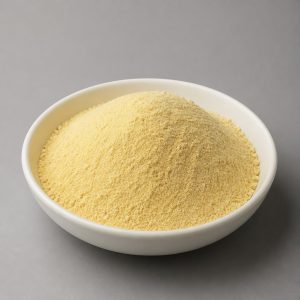
Algal Oil ARA Powder 10%
Read more -
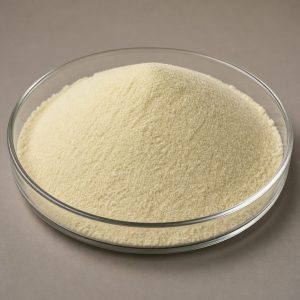
Algal Oil DHA Powder 10%
Read more -
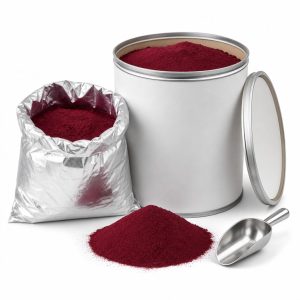
Astaxanthin Powder 5%
Read more -
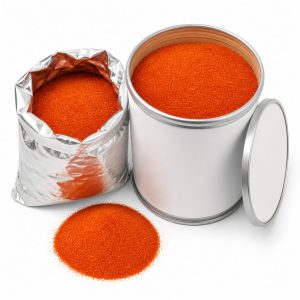
beta-Carotene Powder 98%
Read more -
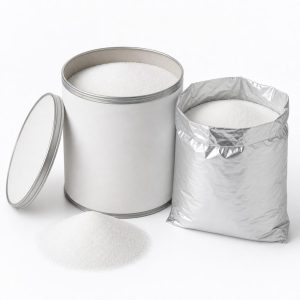
Biotin Powder 99%
Read more -
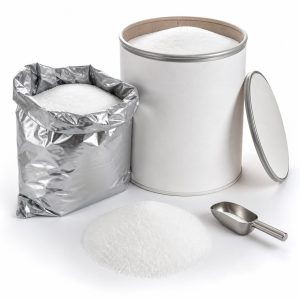
Calcium Ascorbate Powder 98%
Read more -
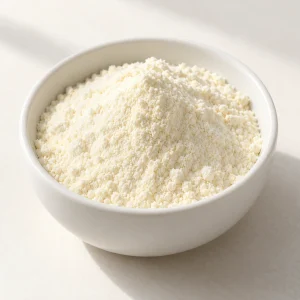
Calcium L-5-Methyltetrahydrofolate Powder 99%
Read more -
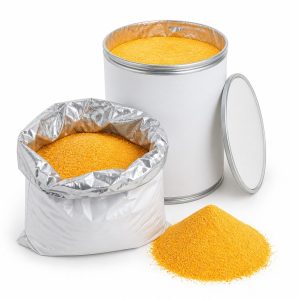
Coenzyme Q10 Powder 98%
Read more -
D-Calcium Pantothenate Powder 98%
Read more -
DL-alpha-Tocopherol Oil 98%
Read more -
Eel Peptide Powder
Read more -
Fish Oil DHA Powder 10%
Read more -
Fish Oil EPA Powder 10%
Read more -
Folic Acid Powder 98%
Read more -
Nicotinamide Powder 98%
Read more -
Nicotinic Acid Powder 98%
Read more