WITHANIA SOMNIFERA INGREDIENT GUIDE
Compare LongBio ashwagandha ratio extracts and standardised withanolide grades for supplement and formulation sourcing.
Botanical source and general specification
| Botanical source | Withania somnifera (root material per the grades listed) |
|---|---|
| Plant parts used | Root |
| Marker | Withanolides, assayed by UV |
| Grade types | Marker-standardised (1.5%–7%) and ratio (10:1) |
Compare Available Grades
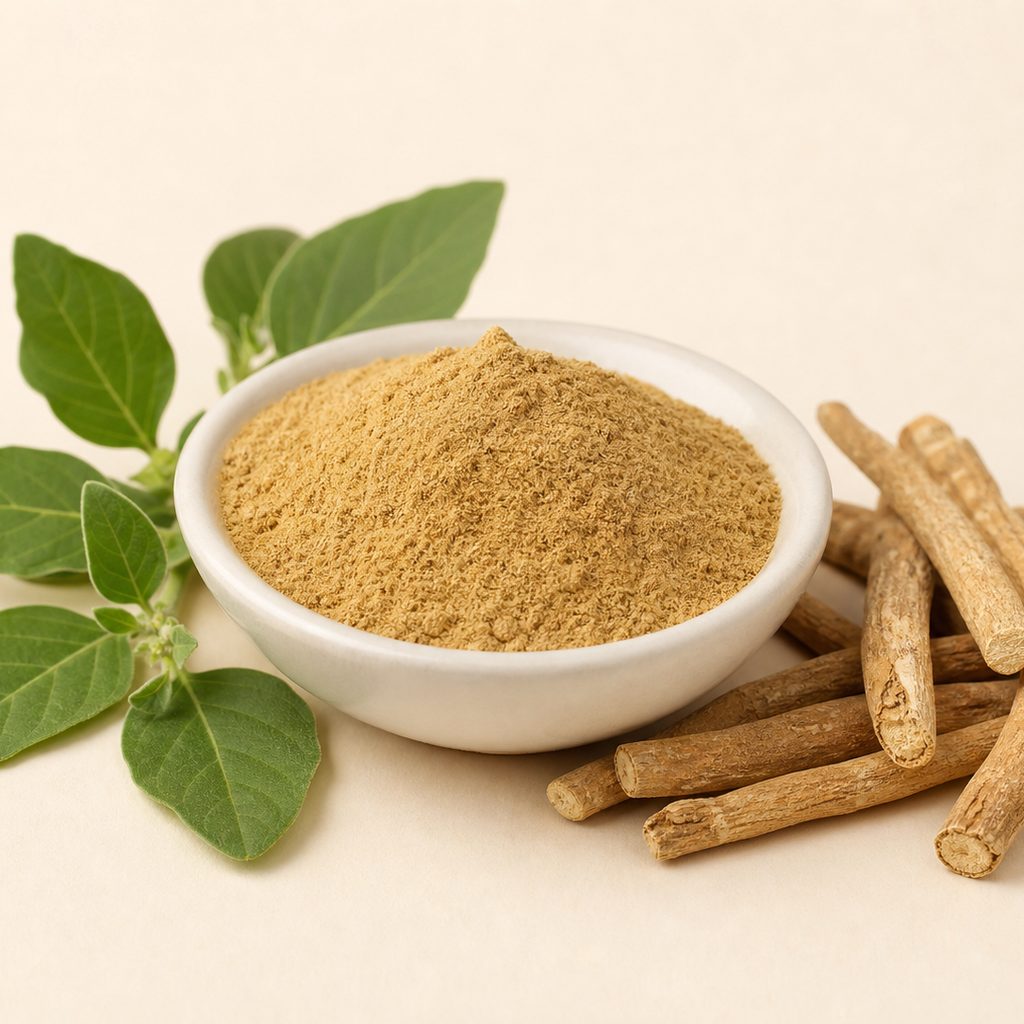
Ashwagandha Extract Powder 7% Withanolides
Withania somnifera root extract powder standardised to 7% withanolides by HPLC, supported by representative COA data for B2B qualification.
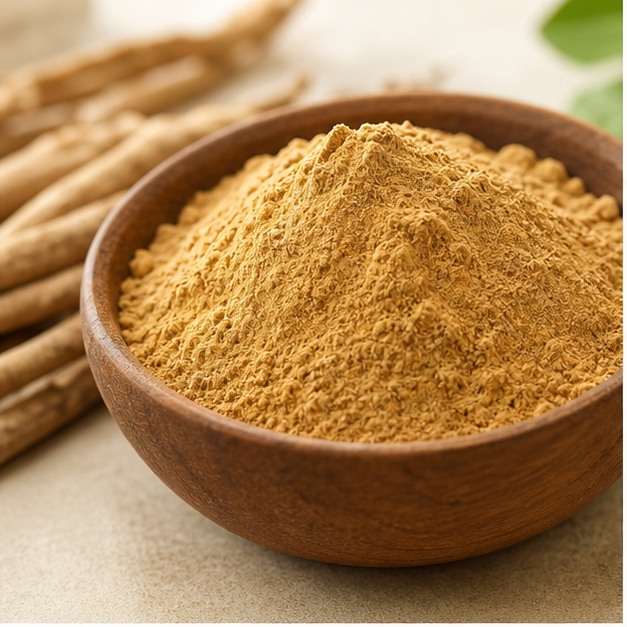
Ashwagandha Root Extract Powder 5% Withanolides
Withania somnifera Root extract; Withanolides 5% by HPLC; result 5.11%, supported by representative batch LXZQ211220.
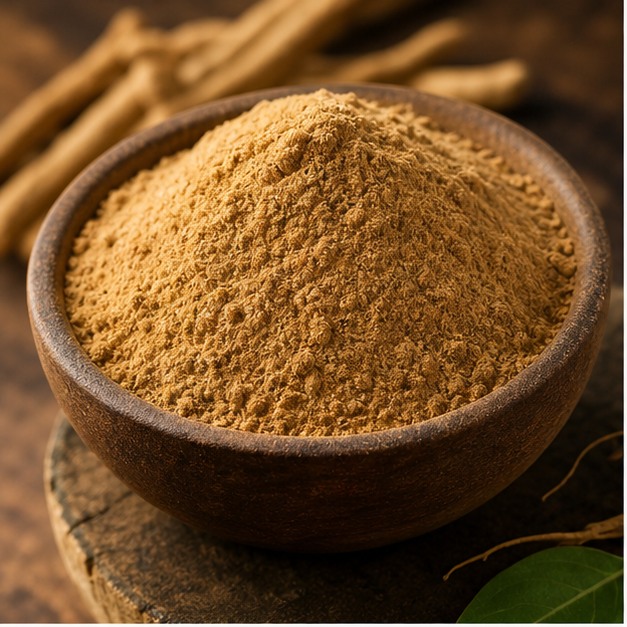
Ashwagandha Root Extract Powder 2.5% Withanolides
Withania somnifera Root extract; Withanolides 2.5% by UV; result 2.64%, supported by representative batch LXZQ200317.
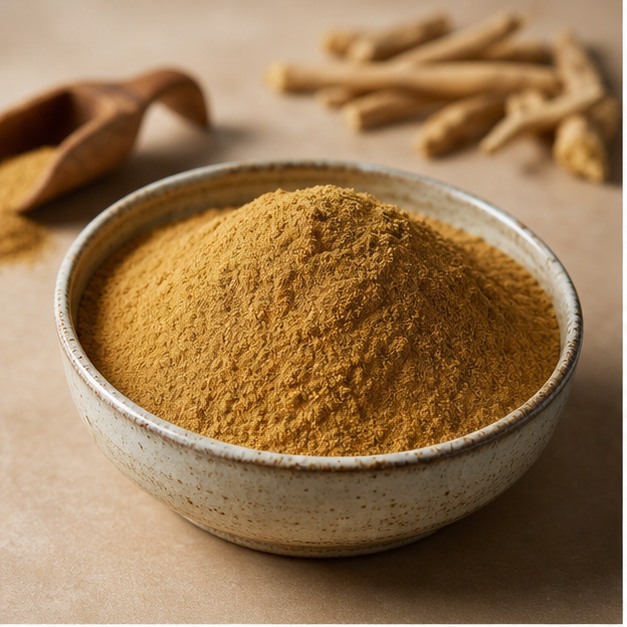
Ashwagandha Root Extract Powder 10:1
Withania somnifera Root extract; Extract ratio 10:1 by TLC; complies, supported by representative batch LXZQ20201024.
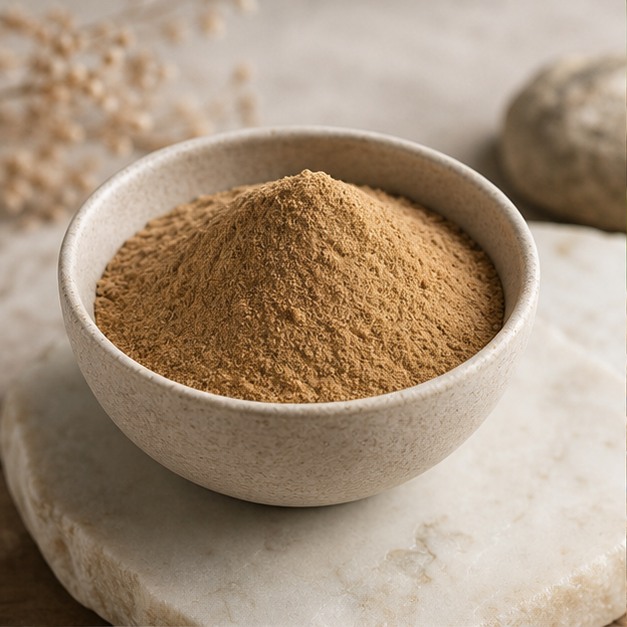
Ashwagandha Root Extract Powder 1.5% Withanolides
Withania somnifera Root extract; Withanolides 1.5% by HPLC; result 1.57%, supported by representative batch LXZQ210217.
Grade comparison: ashwagandha extract powder
| Your requirement | Grade to specify | Why |
|---|---|---|
| You need the highest declared marker | 7% Withanolides | Highest declared withanolide level in the range |
| You need a mid-range marker | 5% or 2.5% Withanolides | Pick from your target dose and cost per kilogram |
| You need the lowest marker cost | 1.5% Withanolides | Lowest declared withanolide level in the range |
| You need a non-standardised base | 10:1 ratio | Ratio grade with no declared marker |
In short: LongBio supplies five ashwagandha root extract powder grades — standardised to 1.5%, 2.5%, 5% and 7% withanolides by HPLC or UV, plus a 10:1 ratio extract. Withanolide percentage and extract ratio are different purchasing specifications and should be qualified separately.
| Grade | Plant part | Specification | Method | Representative result | Particle size | Loss on drying | Appearance |
|---|---|---|---|---|---|---|---|
| Ashwagandha Extract Powder 7% Withanolides | Root | Withanolides 7% | HPLC | 7.12% | 98% through 100 mesh | ≤5.0%; result 4.18% | Fine yellow-brown powder |
| Ashwagandha Root Extract Powder 5% Withanolides | Root | Withanolides 5% | HPLC | 5.11% | 98% through 80 mesh | ≤5.0%; result 3.78% | Fine yellow-brown powder |
| Ashwagandha Root Extract Powder 2.5% Withanolides | Root | Withanolides 2.5% | UV | 2.64% | 98% through 80 mesh | ≤5.0%; result 3.74% | Fine brown powder |
| Ashwagandha Root Extract Powder 1.5% Withanolides | Root | Withanolides 1.5% | HPLC | 1.57% | 98% through 80 mesh | ≤5.0%; result 3.74% | Fine brown powder |
| Ashwagandha Root Extract Powder 10:1 | Root | Extract ratio 10:1 | TLC | Complies | 98% through 80 mesh | ≤5.0%; result 3.68% | Fine yellow-brown powder |
MOQ typically 1 kg; evaluation samples typically 10–20 g; typical lead time 7–15 working days. Representative values support initial comparison only — the offered-lot COA governs shipment release.
Buyer Decision Guide
Choose between a ratio extract and an assay-standardised grade. Compare botanical identity, plant part, analytical method and withanolide target before approving a sample.
- Shortlist the required product form and target specification.
- Compare the current COA method, limits and batch results.
- Test the sample in the intended formulation.
- Approve the order specification, packing and destination-market documentation.
Qualification and COA Review
Each linked product page records its own evidence status. Representative results support initial comparison only; final acceptance is based on the approved specification, current offered-batch COA and buyer qualification.
Certification coverage for this product line
Botanical extract powders in this range are produced at the certified Zhashui site of Shaanxi Longsheng Biotechnology Co., Ltd., which holds five third-party-issued certificates: FSSC 22000 (certificate CN26/00005265, issued by SGS United Kingdom Ltd, valid 13 Jul 2026 – 12 Jul 2029), ISO 22000:2018 (CN26/00005266, issued by SGS United Kingdom Ltd, valid 13 Jul 2026 – 12 Jul 2029), SGS cGMP (CN26/00005948, valid 12 Aug 2026 – 12 Aug 2027), Star-K Kosher Pareve (account NCZSI67Q, valid through 31 Mar 2027) and Halal (3391260000, issued by Shandong Halal Certification Service, valid 28 Jun 2026 – 25 Jun 2029). The original certificate documents are published on the certificate register for Shaanxi Longsheng Biotechnology, which also carries the issuing body, registry identifier and validity date for each certificate.
Frequently Asked Questions
How do I choose a ashwagandha extract powder grade?
Choose between a ratio extract and an assay-standardised grade. Compare botanical identity, plant part, analytical method and withanolide target before approving a sample.
Can I compare the current batch COAs before ordering?
Yes. Request the applicable current or representative COA for each shortlisted grade and compare product identity, method, limits and results.
Are different ratios or assay percentages interchangeable?
No. Ratio extracts and standardised assay grades represent different purchasing specifications and should be qualified separately.
Can I request samples for formulation testing?
Yes. Provide the target grade, application, destination market and expected volume so sample availability can be confirmed.
What should be included in a quotation request?
Send the product grade, analytical limits, quantity, packing, destination, application and any required compliance documents.
Does website information replace the shipment COA?
No. The approved order specification and shipment-batch COA remain the controlling quality records.
Can specifications or packaging be customised?
Selected analytical limits, particle properties and packing may be reviewed case by case before quotation.
Is there a practical difference between the 1.5%, 2.5%, 5% and 7% withanolide grades?
The difference is a declared content, and it drives how much material you need to reach a given withanolide level. Four marker levels are listed between 1.5% and 7% alongside a 10:1 ratio extract. Choose the level that matches your target dose and your cost per kilogram, and confirm that the assay method on the certificate is the one your specification requires, since a UV and an HPLC figure are not directly comparable.
Request a Grade Comparison
Send your application, target assay or ratio, annual volume, destination and document requirements.