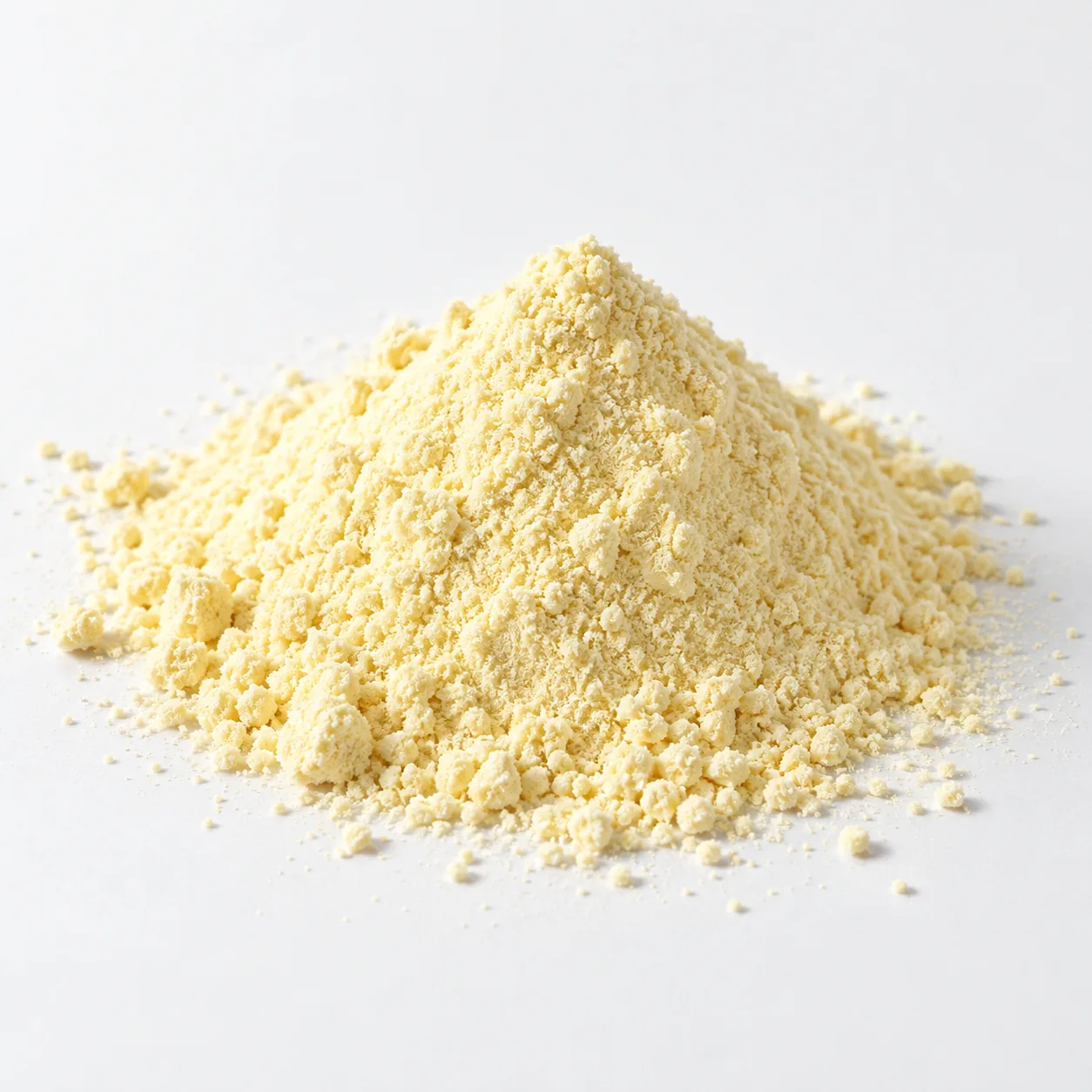
Description
PEPTIDE INGREDIENT
Bombyx mori Pupa — Enzymatic Hydrolysate
Silkworm pupa peptide is an insect-protein hydrolysate, a materially different source from the bovine, fish and plant peptides usually listed alongside it. Buyers come to it for the amino acid profile rather than for a collagen-type Gly-Pro sequence, so the two are not substitutes.
COA-Backed Specification
| Identity | Bombyx mori L. (pupa) |
|---|---|
| Plant part | Pupa (enzymatic hydrolysate) |
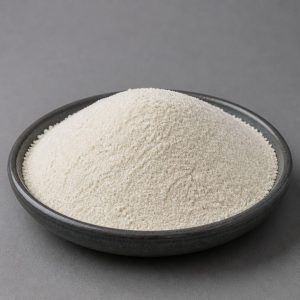
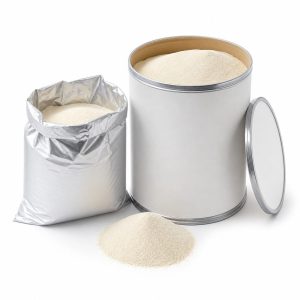
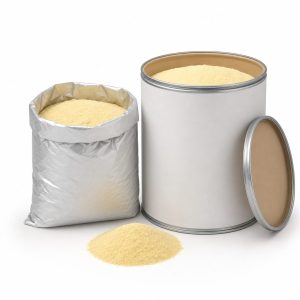
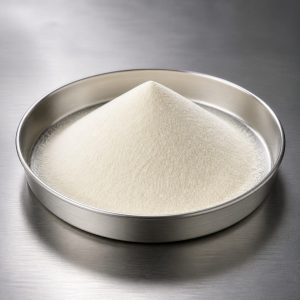
| Form and colour | Light yellow to cream powder |
| Assay | Peptide content per specification, stated on the COA |
| Method | HPLC |
| Particle size | 98% through 80 mesh |
| Loss on drying | Within the limits of the approved specification |
| Ash | Within the limits of the approved specification |
| Heavy metals | Within the limits of the approved specification |
| Microbiological limits | Within the limits of the approved specification |
| Shelf life | Two years when stored properly |
Limits shown are the agreed specification. Result values are issued on the batch-specific certificate of analysis.
Buyer Decision Guide
Ask for the amino acid profile and the degree of hydrolysis. Neither is predictable from the peptide percentage alone, and both decide how the powder behaves in a beverage.
- Assay: peptide content stated per specification on each COA; no fixed percentage is quoted until the grade is agreed.
- Amino acid profile: reported per lot. This is the main reason buyers choose an insect protein source.
- Degree of hydrolysis: declared with the batch; it drives solubility and bitterness.
- Appearance: light yellow to cream powder. Darker lots indicate over-hydrolysis or heat damage.
- Solubility: water-soluble, with a savoury note that needs masking in sweet applications.
- Documentation: COA, specification sheet and SDS with each batch.
How This Grade Differs
No insect-protein peptide was listed on the site before this page. The existing silkworm product is a male moth extract, which is a different material from the pupa hydrolysate.
Quality and Documentation
Released on a batch certificate covering peptide content, amino acid profile, degree of hydrolysis, moisture, heavy metals and microbiology.
Frequently Asked Questions
Which safety parameters are tested every lot?
Moisture per specification, ash per specification, heavy metals and microbiology against the approved specification.
How should the material be stored after arrival?
Two years when stored properly. Keep the pack sealed; moisture uptake is the main risk for this grade.
Is the declared percentage a specification limit or a measured result?
The specification figure is Peptide content per specification, stated on the COA; the measured result for your lot is reported separately on its COA.
How does the material behave in your process?
It is supplied as Light yellow to cream powder at 98% through 80 mesh, so bulk density and flow are confirmed against your process before the first order.
Can the COA be matched to the lot you ship?
Yes. The certificate is issued for the shipped lot, which is the batch named on the quotation referenced on the specification.
Can you produce to our own specification or packing?
Alternative assay targets, particle size, packing and private-label requirements are reviewed case by case, subject to production feasibility and a revised written specification.
Can I get a sample before placing the order?
Yes. An evaluation sample is normally available before a formal order. Sample quantity, courier account and destination are confirmed at the time of request.
What is the minimum order quantity?
The regular MOQ is typically 1 kg. An evaluation sample of 10-20 g can usually be arranged before a formal order, subject to stock.
Request COA, Sample or Quotation
Send your target specification, application, order quantity, destination country and required test limits.
Get the current batch COA, a sample or a quotation