Description
LIPOSOMAL DELIVERY INGREDIENT
Liposomal Vitamin C (Ascorbic acid) Powder
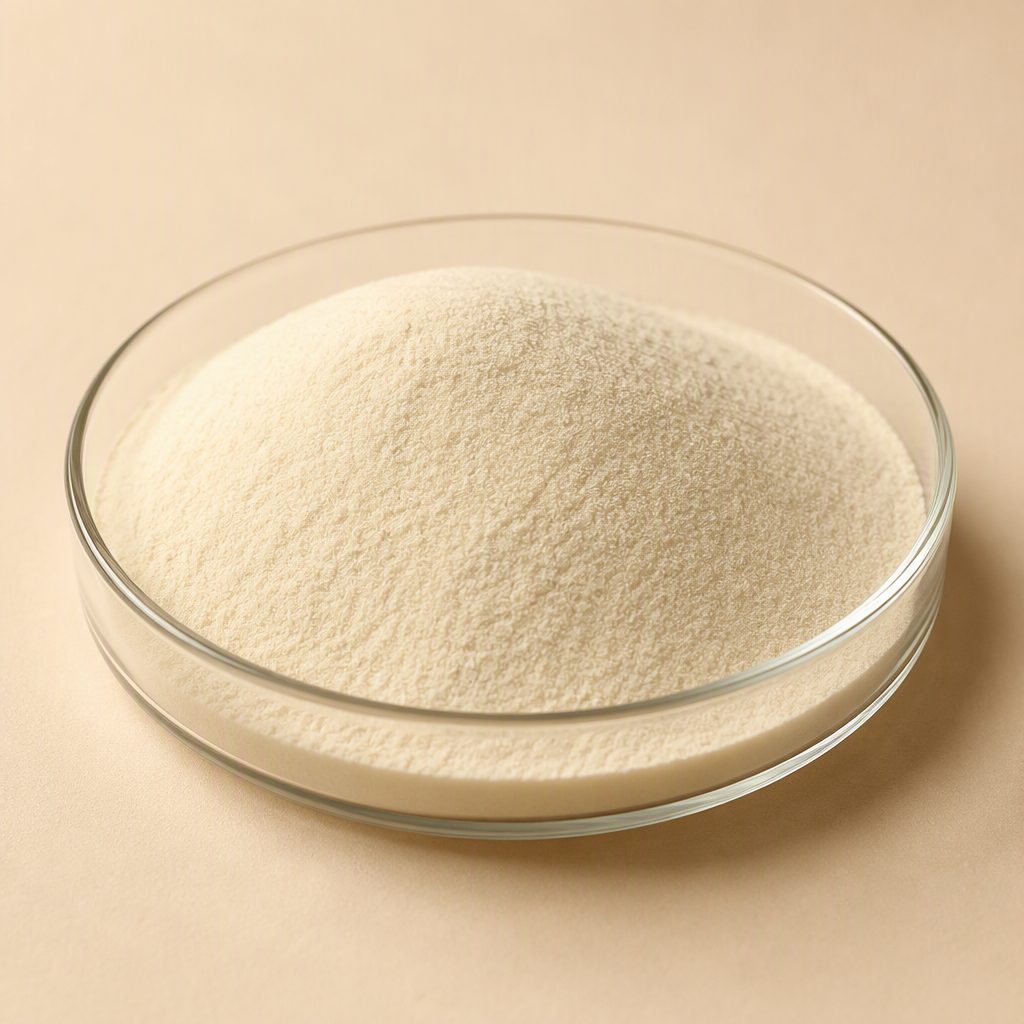
Liposomal Vitamin C (Ascorbic acid) is supplied as a phospholipid-encapsulated powder for formulators who need the active dispersed in a lipid bilayer rather than as a free crystalline solid. This grade is offered as a B2B raw material: 70% ascorbic acid of the active on a phospholipid carrier, produced by thin-film hydration followed by high-pressure homogenisation and spray drying. It is intended for further processing by the buyer (capsules, stick packs, sachets, liquid or powder blends). The material is characterised by phospholipid identity, particle-size distribution and encapsulation-related parameters rather than by crystallinity, so the specification below is written accordingly.
COA-Backed Specification
| Ingredient system | Liposomal Vitamin C (Ascorbic acid) (phospholipid bilayer encapsulation) |
|---|---|
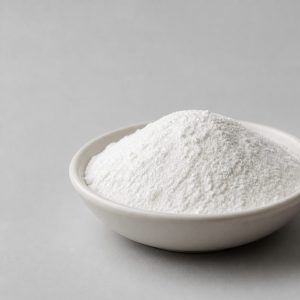
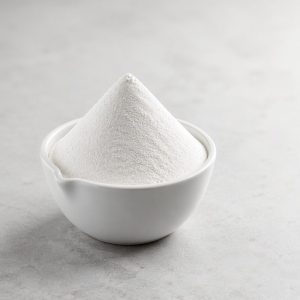
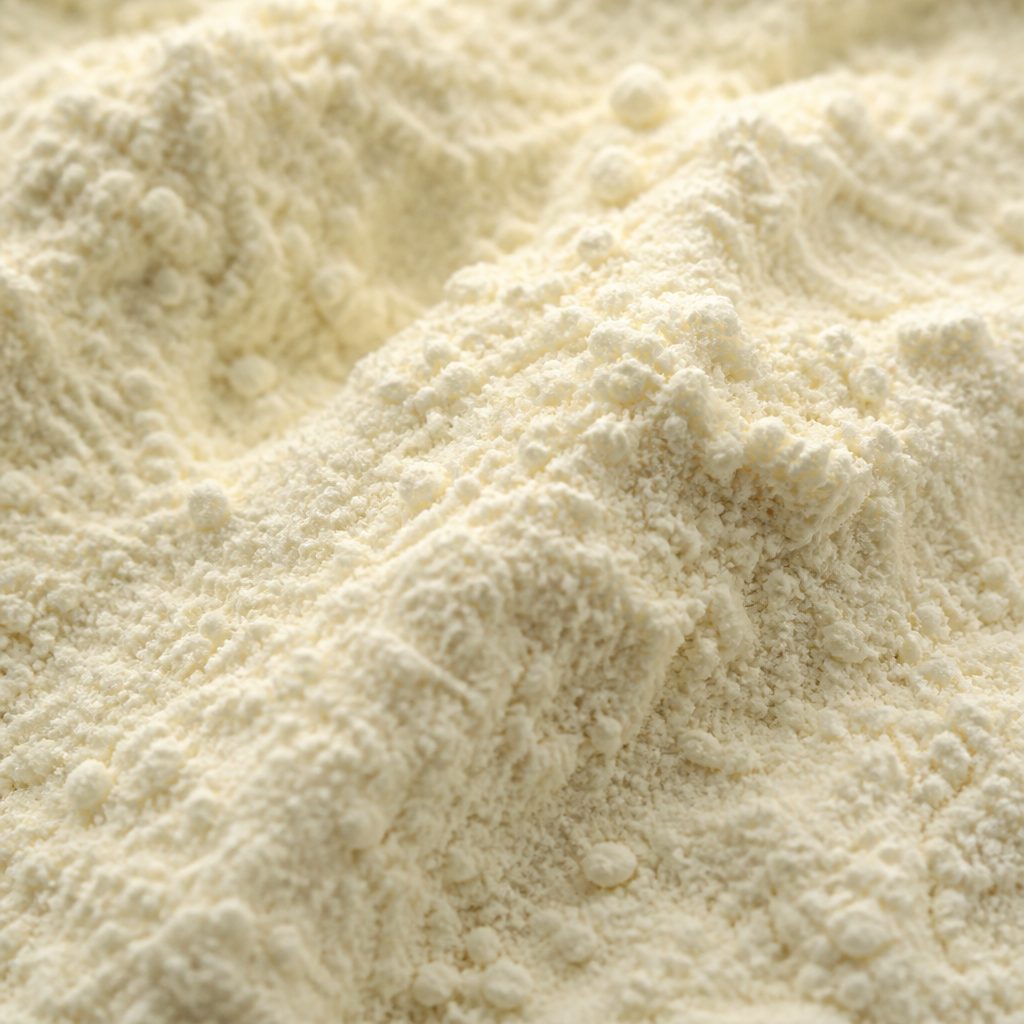
| Form and colour | Fine off-white powder |
| Assay | 70.0% |
| Method | HPLC |
| Particle size | 98% through 80 mesh |
| Loss on drying | <=5.0% |
| Ash | <=5.0% |
| Heavy metals | Within the limits of the approved specification |
| Microbiological limits | Within the limits of the approved specification |
| Representative batch | LXLP260610 |
| Manufacture date | 10 Jun 2026 |
| Shelf life | Two years when stored properly |
Representative values do not replace the current shipment COA.
Buyer Decision Guide
Liposomal grades are specified differently from plain powders. Buyers should agree on three things before approval: the carrier system (phosphatidylcholine from sunflower or soy lecithin, or a synthetic phospholipid), the declared active content of the encapsulated system, and the dispersion behaviour in the buyer’s own matrix. Confirm the intended final dosage form at enquiry stage.
- Active content: 70% ascorbic acid on a phospholipid carrier, expressed on the encapsulated system rather than on total powder mass.
- Carrier declaration: phosphatidylcholine source and phospholipid content are stated on the COA for identity control.
- Particle size: micro-dispersible powder, specification agreed against the dispersion test the buyer will run.
- Dispersion: designed to disperse in water and in oil-free aqueous matrices; evaluate in your own base before scale-up.
- Handling: hygroscopic, sensitive to heat and oxygen; keep sealed, cool and dry, and open only under controlled conditions.
- This material is a raw material for further processing, not a finished consumer product.
How This Grade Differs
Liposomal Vitamin C (Ascorbic acid) is not interchangeable with plain Vitamin C (Ascorbic acid) powder on a weight-for-weight basis. The active is held in a phospholipid bilayer, so the declared content refers to the encapsulated system, and the material behaves differently in dispersion, taste masking and flow. Buyers comparing quotations should normalise on the active content stated on the COA, not on the price per kilogram of powder.
Compare these related grades before approval:
For a substitution review, compare botanical identity, plant part, assay target, analytical method, physical form and the current offered-batch COA.
Application Areas
- Hard capsules and two-piece capsule filling
- Stick packs and single-serve sachets
- Powder blends and dry mixes
- Beverage and liquid concentrate systems, subject to the buyer’s process validation
Packaging and Delivery
- Evaluation sample typically 10-20 g, subject to stock
- Regular MOQ typically 1 kg
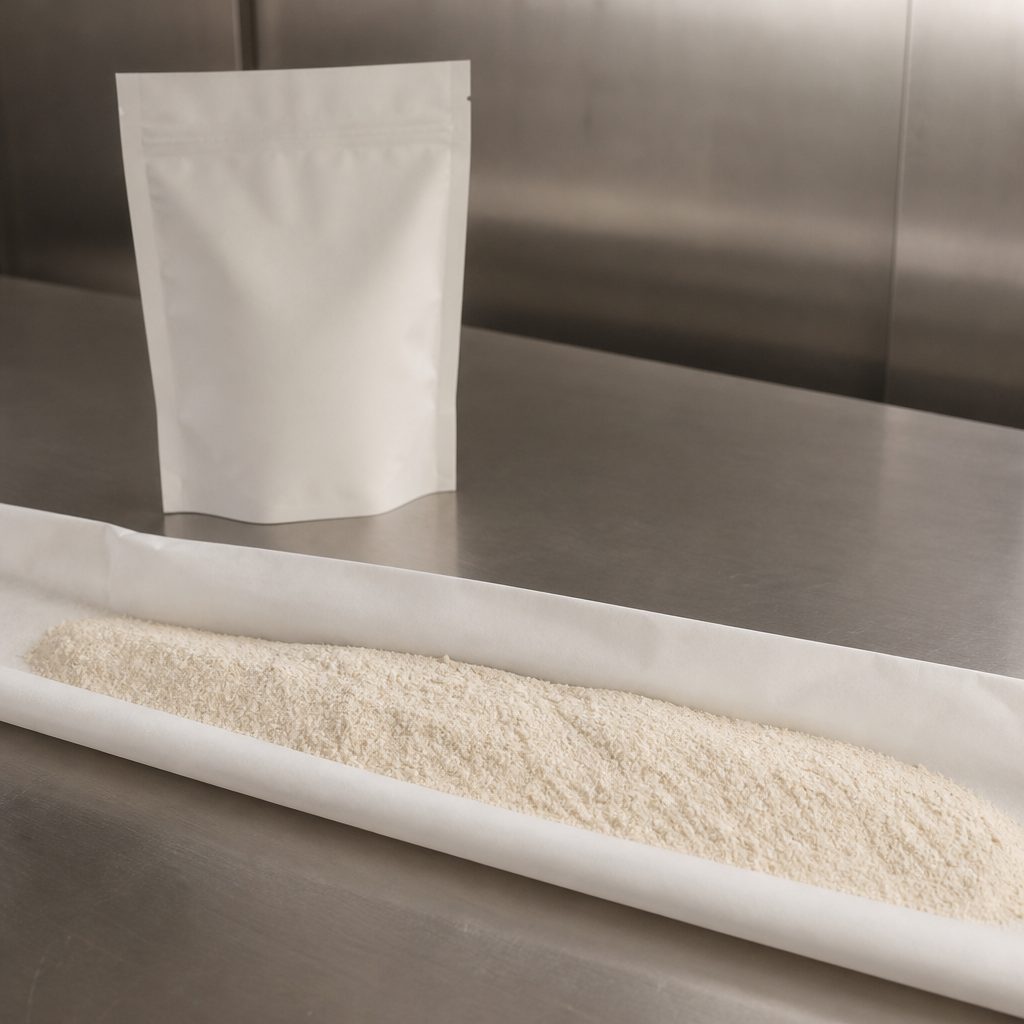
- 1 kg foil bag or 25 kg fibre drum with inner food-grade liner
- Custom packing and private-label options subject to confirmation
- Typical lead time 7-15 working days after deposit
Quality and Documentation
Representative batch LXLP260610 supports the specification table above. Use the cited record for preliminary comparison and request the offered-lot COA for final technical approval. Batch COA, specification sheet, agreed third-party testing and export documents are available for buyer verification.
Frequently Asked Questions
How should the material be stored after arrival?
Two years when stored properly. Keep the pack sealed; moisture uptake is the main risk for this grade.
What do you declare for moisture and ash?
Both are released against the limits on the approved specification; the measured result for your lot appears on its COA.
Which particle size or presentation applies?
98% through 80 mesh
Can the COA be matched to the lot you ship?
Yes. The certificate is issued for the shipped lot, which is the batch LXLP260610 referenced on the specification.
Which test method should our QC lab expect to reproduce?
HPLC, with the reference standard and calculation basis recorded on the batch certificate.
How is the material shipped?
Air and sea freight are both arranged, with the mode chosen against volume, destination and required date. Documents and the HS code are issued with the shipping instructions.
What packing options are available?
Standard packing is a sealed food-grade inner liner inside an export carton or fibre drum. Pack size, labelling and private-label artwork are agreed in the written specification.
Can you produce to our own specification or packing?
Alternative assay targets, particle size, packing and private-label requirements are reviewed case by case, subject to production feasibility and a revised written specification.
Request COA, Sample or Quotation
Send your target specification, application, order quantity, destination country and required test limits.
Get the current batch COA, a sample or a quotation