Description
COA-BACKED NUTRITIONAL INGREDIENT
Disodium Succinate for B2B Formulation
Disodium Succinate is supplied as a single-entity amino acid for B2B nutrition, beverage and supplement formulation. The purchasing definition is the declared assay, the impurity profile and the physical form rather than a botanical identity.
COA-Backed Specification
| Identity | Disodium Succinate |
|---|---|
| CAS No. | 150-90-3 |
| Form and colour | Fine white crystalline powder |
| Assay | 98.0%-101.0% on dried basis |
| Method | HPLC |
| Particle size | 98% through 80 mesh |
| Loss on drying | <=5.0% |
| Ash | <=5.0% |
| Heavy metals | Within the limits of the approved specification |
| Microbiological limits | Within the limits of the approved specification |
| Representative batch | LXHP260331 |
| Manufacture date | 31 Mar 2026 |
| Shelf life | Two years when stored properly |
Representative values do not replace the current shipment COA.
Buyer Decision Guide
Disodium Succinate is specified on assay, specific rotation or chiral purity where relevant, and on heavy metal and microbiological limits. Confirm which of these your finished-product specification actually controls before approving a grade.
- Confirm assay basis and analytical method
- Check the salt or free-form identity: Disodium Succinate
- Review specific rotation or chiral purity if applicable
- Confirm heavy metal and microbiological limits
How This Grade Differs
Disodium Succinate is a single-entity amino acid. It is not interchangeable with the racemic or salt form of the same molecule, and not with a plant extract that merely contains it. Compare assay basis, salt form and impurity profile when substituting.
Compare these related grades before approval:
For a substitution review, compare botanical identity, plant part, assay target, analytical method, physical form and the current offered-batch COA.
Application Areas
- Sports nutrition and amino acid blends
- Functional beverages and instant drink powders
- Capsules, tablets and stick packs
- Clinical and enteral nutrition projects
Packaging and Delivery
- Evaluation sample typically 10-20 g, subject to stock
- Regular MOQ typically 1 kg
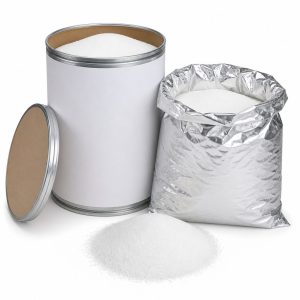
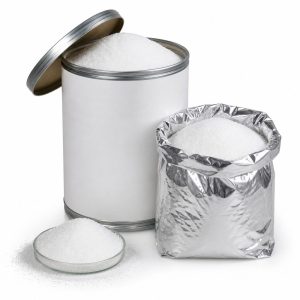
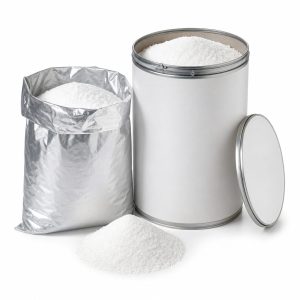
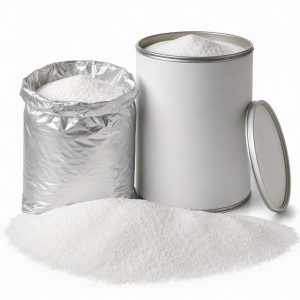
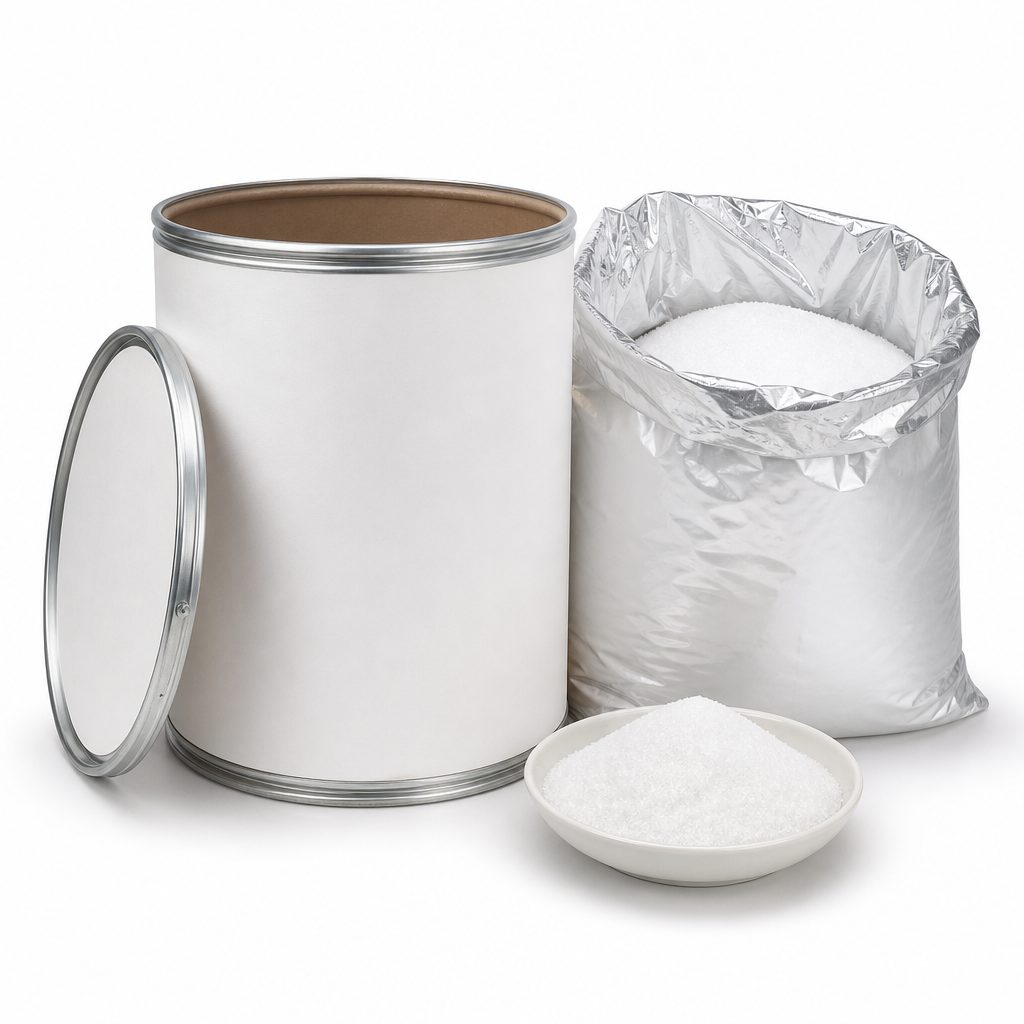
- 1 kg foil bag or 25 kg fibre drum with inner food-grade liner
- Custom packing and private-label options subject to confirmation
- Typical lead time 7-15 working days after deposit
Quality and Documentation
Representative batch LXHP260331 supports the specification table above. Use the cited record for preliminary comparison and request the offered-lot COA for final technical approval. Batch COA, specification sheet, agreed third-party testing and export documents are available for buyer verification.
Frequently Asked Questions
How should the material be stored after arrival?
Two years when stored properly. Keep the pack sealed; moisture uptake is the main risk for this grade.
Which test method should our QC lab expect to reproduce?
HPLC, with the reference standard and calculation basis recorded on the batch certificate.
What purity window can you hold batch to batch?
98.0%-101.0% on dried basis, verified by HPLC on every lot.
What links the quotation to the delivered material?
The specification figure (98.0%-101.0% on dried basis) and the batch number LXHP260331 carry through from quotation to certificate.
Which safety parameters are tested every lot?
Moisture <=5.0%, ash <=5.0%, heavy metals and microbiology against the approved specification.
How is the material shipped?
Air and sea freight are both arranged, with the mode chosen against volume, destination and required date. Documents and the HS code are issued with the shipping instructions.
Which documents come with the shipment?
Batch COA, specification sheet, agreed third-party testing where required, commercial invoice, packing list, certificate of origin and transport documents. The exact set is confirmed against the product and destination market.
What packing options are available?
Standard packing is a sealed food-grade inner liner inside an export carton or fibre drum. Pack size, labelling and private-label artwork are agreed in the written specification.
Request COA, Sample or Quotation
Send your target specification, application, order quantity, destination country and required test limits.
Get the current batch COA, a sample or a quotation