FORMULATION GOAL · WOMEN’S WELLNESS
Women’s wellness ingredients for evidence-led formulation.
Compare red clover, soy isoflavones and related botanicals by identity, marker compound, analytical method and intended product format.

DIRECT ANSWER
Which botanical ingredients are commonly evaluated for women’s wellness formulations?
Red clover and soy isoflavone extracts are common B2B candidates. Buyers should compare botanical source, plant part, named isoflavone target, analytical method and finished format instead of relying only on a percentage shown in a product name.
SPECIFICATION COMPARISON
Compare representative ingredient routes.
| Ingredient | Marker route | Confirm | Formulation note |
|---|---|---|---|
| Red clover extract | Isoflavone-oriented grade | Botanical identity, plant part and method | Review colour and dosage format |
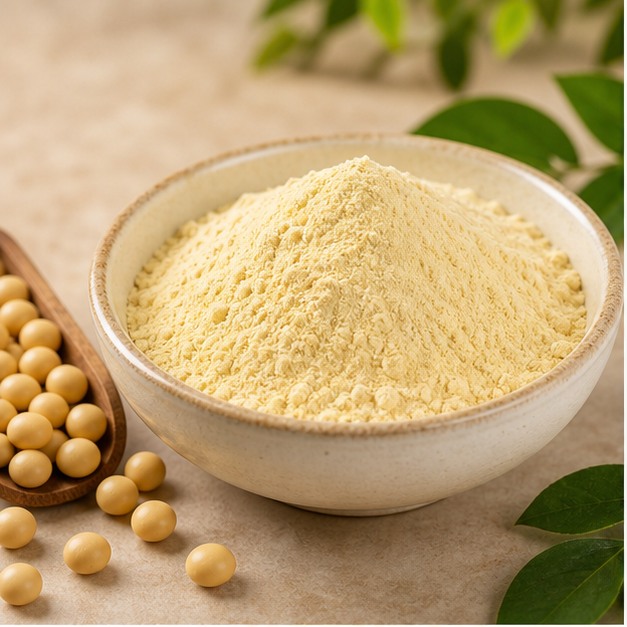
| Soy isoflavones | Standardized isoflavone grade | Source, assay basis and current COA | Confirm allergen and market requirements |
Final suitability, dosage and claims depend on the finished formula and destination market.
PRIORITY PRODUCTS
Review representative women’s wellness ingredients.
BUYER CHECKLIST
What should buyers confirm before sampling?
Botanical source and plant part.
Named isoflavones and method.
Capsule, tablet, powder or beverage.
Allergen, claim and document requirements.
FREQUENTLY ASKED QUESTIONS
Women’s wellness ingredient sourcing FAQ.
Are all isoflavone percentages directly comparable?
No. Compare the named marker group, analytical method and reporting basis.
What should be confirmed for soy-derived ingredients?
Confirm source identity, allergen documentation, assay basis and current-lot COA.
Can buyers request a sample?
Provide the target grade, finished format, quantity and destination market.
Do raw materials establish finished-product claims?
No. Claims and dosage require assessment for the final formula and market.
Request a women’s wellness ingredient recommendation.
Continue buyer research