Direct answer
Which botanical extracts are commonly evaluated for antioxidant formulations?
Grape seed extract, pine bark extract and green tea extract are common B2B candidates because their specifications can be defined by measurable marker groups such as OPCs or tea polyphenols. The right option depends on the finished format, target assay, test method, sensory limits and destination-market requirements.
Specification comparison
Compare representative ingredient routes.
| Ingredient | Common specification route | Method to confirm | Formulation consideration |
|---|---|---|---|
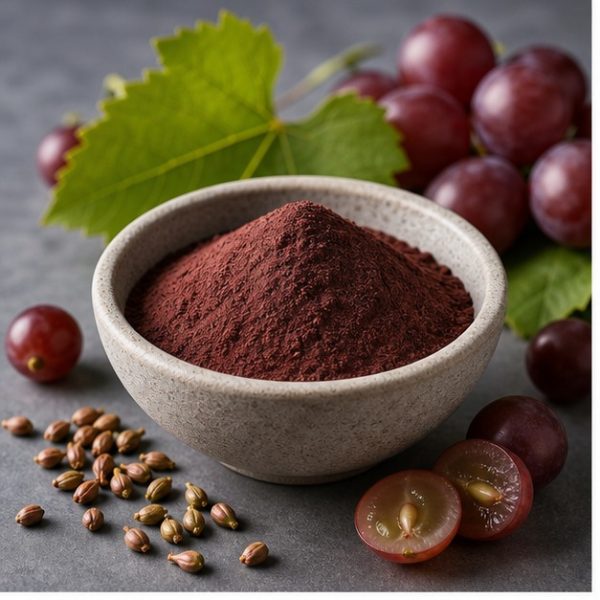
| Grape seed extract | OPC / polyphenol grade | Confirm method on specification and COA | High-polyphenol positioning; evaluate colour and astringency |
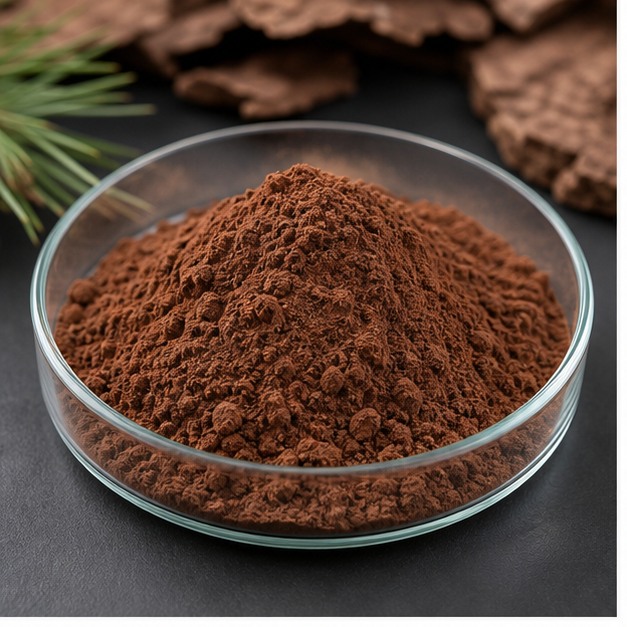
| Pine bark extract | OPC grade | Confirm assay identity and method | Premium botanical positioning; verify target assay |
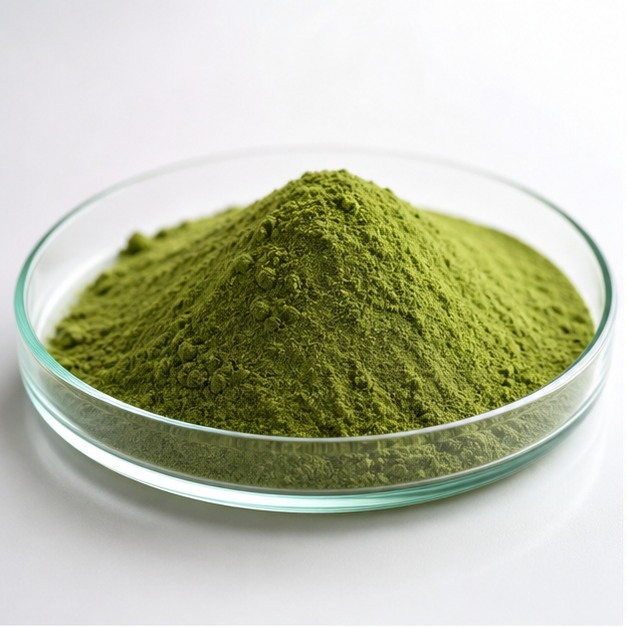
| Green tea extract | Tea polyphenol grade | Confirm polyphenol and caffeine requirements | Suitable for capsules, powders and beverages after sensory review |
Specifications vary by batch and requested grade. Confirm the current specification, analytical method and COA before qualification.
Priority products
Review representative antioxidant ingredients.
Buyer qualification checklist
What should buyers confirm before sampling?
Latin name, plant part and extraction route.
Target marker, result basis and analytical method.
Capsule, tablet, powder, beverage or cosmetic use.
Destination, limits, documentation and claim review.
Frequently asked questions
Antioxidant ingredient sourcing FAQ.
What is the difference between an OPC grade and a total-polyphenol grade?
They describe different specification targets and may use different analytical methods. Buyers should compare the named marker, method and reporting basis rather than comparing percentage numbers alone.
Which extract is best for beverage formulations?
The answer depends on solubility, taste, colour, caffeine limits and the desired label position. Green tea extract is often evaluated, but a beverage trial and current specification review are required.
Can LongBio provide samples and a COA?
Buyers can request the target grade, quantity and destination market. LongBio will confirm availability and provide the relevant specification, sample options and current COA status.
Do these raw materials support finished-product health claims?
Raw-material specification does not by itself substantiate a finished-product claim. Claims, dosage and regulatory suitability must be assessed for the final formula and destination market.
Request an antioxidant ingredient recommendation.
Send the target botanical, assay, test method, dosage format, order quantity and destination market. We will match available grades and documentation.
Continue buyer research
Verify the specification before requesting a quotation.